Articles

What Is a Japanese Canned Highball? (And How to Make One With Whisky You Can Actually Buy)

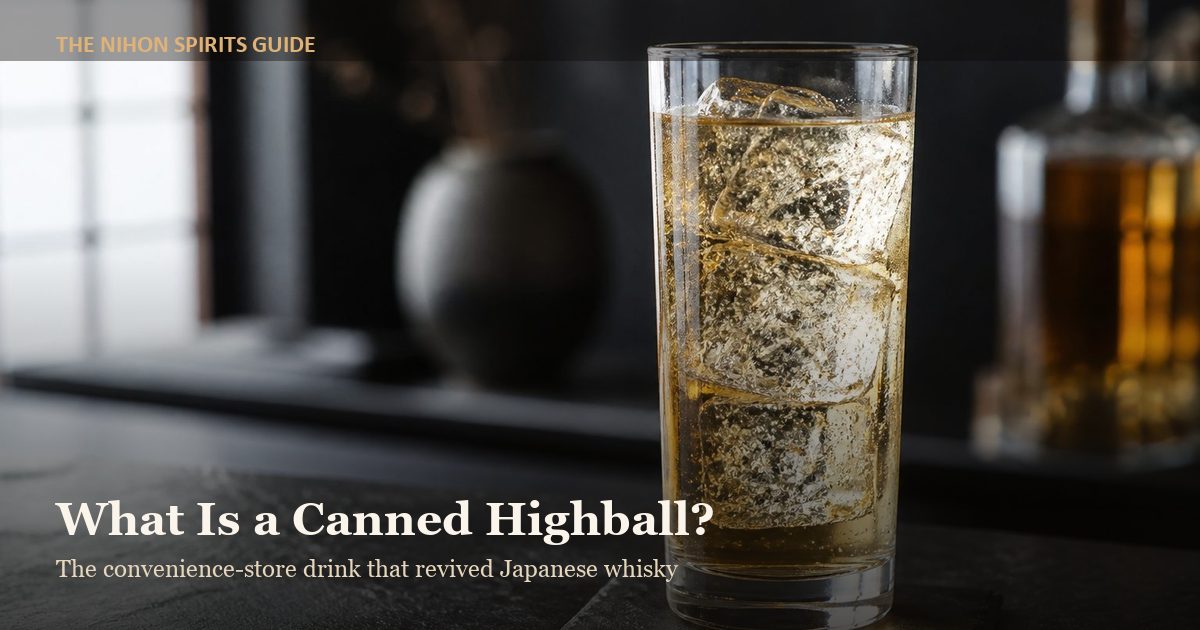
Japanese canned highball whisky and soda over ice

Quick answer: a Japanese canned highball is whisky, soda water, and usually a hit of lemon, pre-mixed and carbonated in a can — the convenience-store version of the drink that revived Suntory’s whisky business in the late 2000s. You can technically find imported cans in the US through small Japanese grocery importers and resale marketplaces, … Read more

Junmai vs Honjozo: What the Added Alcohol Actually Changes

junmai vs honjozo

Quick answer: Junmai vs Honjozo comes down to one production choice: Junmai has no added alcohol, Honjozo has a small, tightly regulated amount added at the end of fermentation. That doesn’t make Honjozo weaker, cheaper-tasting, or somehow less authentic — it’s a deliberate technique that draws out aroma and smooths the finish, and by law … Read more

Umeshu Explained: Japan’s Plum Liqueur

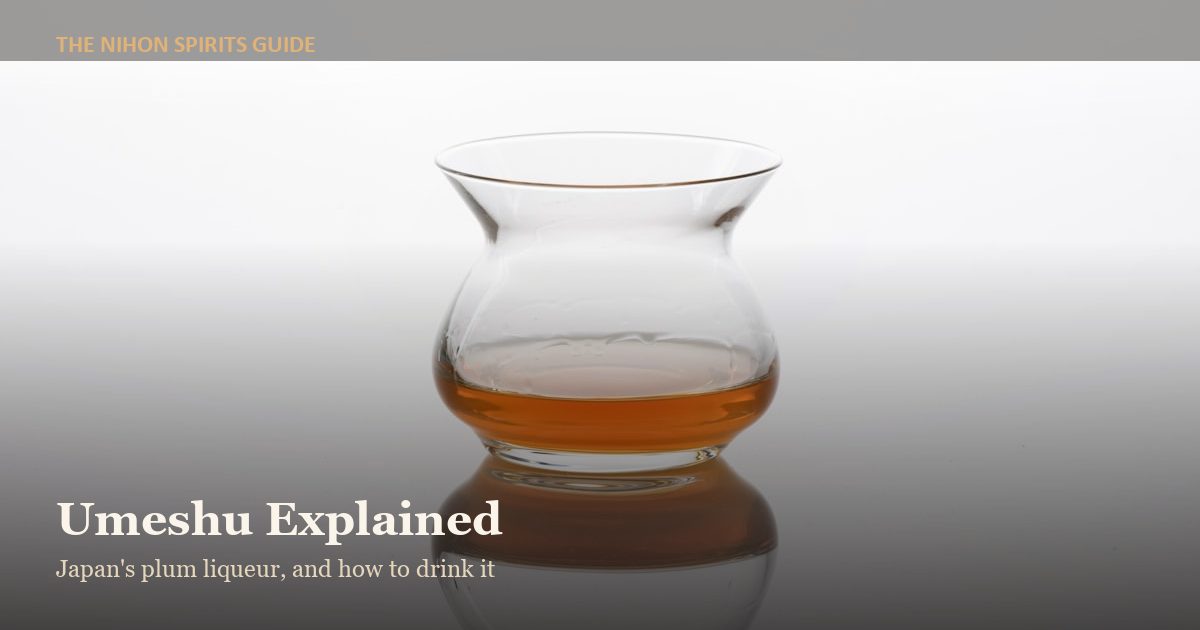
Umeshu Japanese plum liqueur in a glass

Quick answer: umeshu is a Japanese liqueur made by steeping unripe ume (a fruit closer to an apricot than a Western plum) in a base spirit, usually shochu, along with sugar, for months. It’s sweet, tart, and typically 10-15% ABV, well below sake or shochu on their own, which makes it one of the easiest … Read more

Sake vs Wine: What’s Actually Different

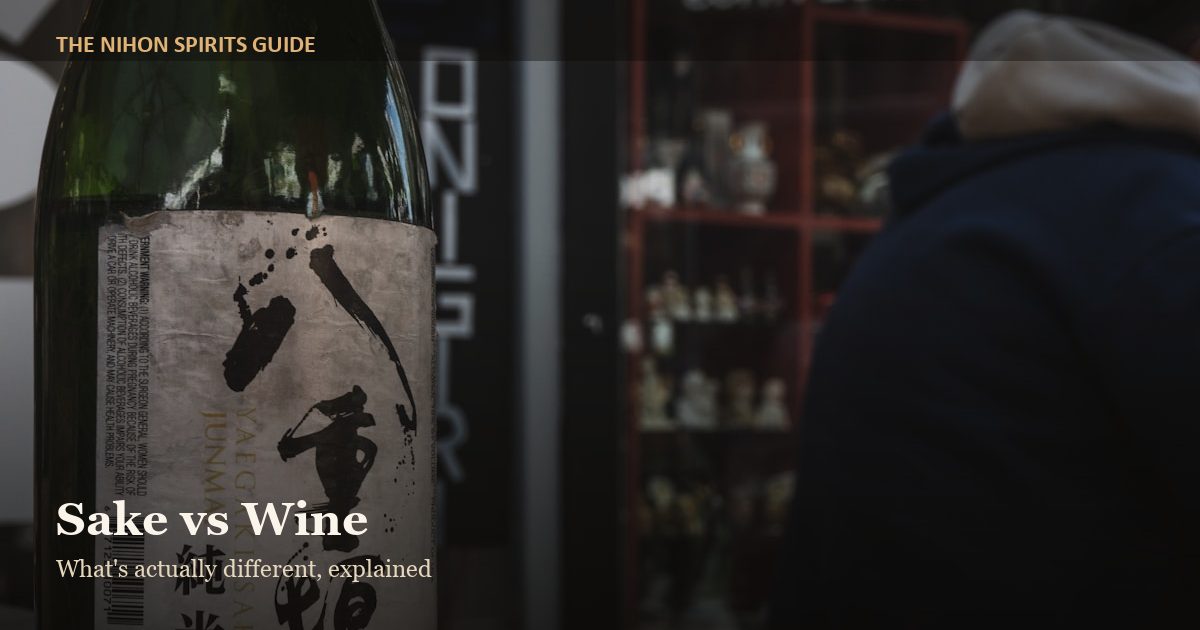
Sake bottle for sake vs wine comparison

Quick answer: sake and wine are both fermented, not distilled, and both land in a similar strength range, but the similarity mostly stops there. Wine ferments grape sugar directly; sake ferments rice starch through a two-step process that has no real parallel in winemaking. Sake runs slightly stronger on average (15-16% ABV for most commercial … Read more

Nikka Miyagikyo vs Yoichi: Which Single Malt Should You Buy?

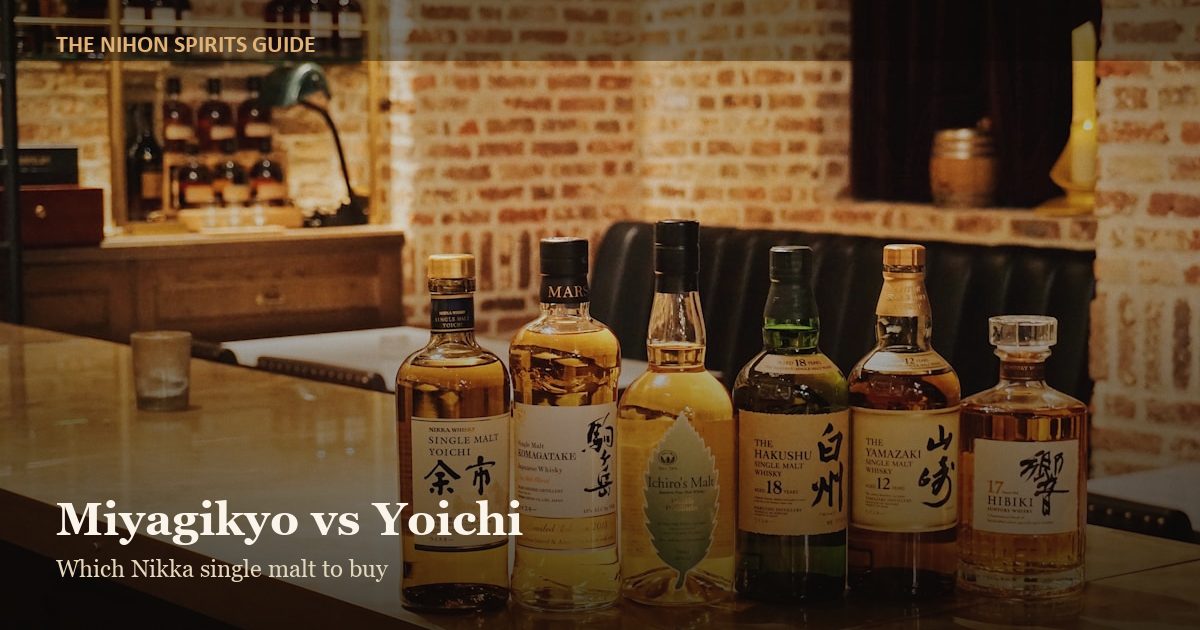
Nikka Miyagikyo vs Yoichi whisky bottles

Quick answer: Miyagikyo and Yoichi are Nikka’s two distilleries, built specifically to produce opposite styles of single malt. Yoichi is smoky, briny, and coastal, distilled in coal-fired pot stills on the coast of Hokkaido. Miyagikyo is fruitier and softer, matured mainly in ex-sherry casks near Sendai. Neither is the “better” bottle; they’re built to taste … Read more

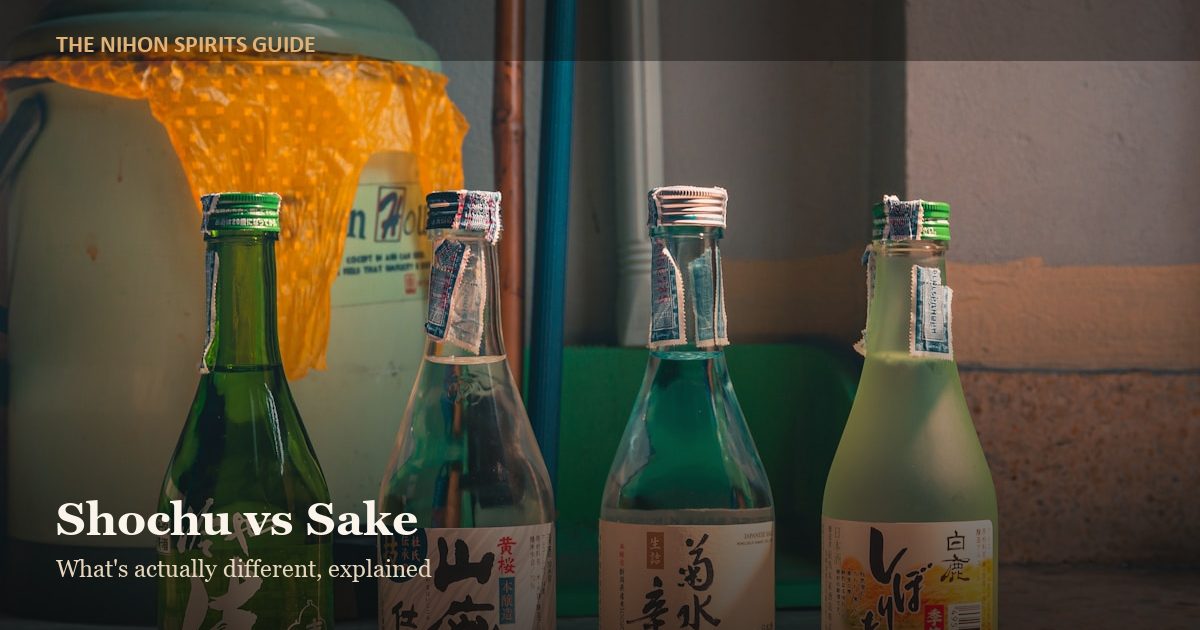
Shochu vs Sake: What’s Actually Different

Shochu vs sake bottles comparison

Quick answer: sake is brewed, shochu is distilled, and that one difference explains almost everything else. Sake ferments rice into an alcoholic liquid the way wine or beer does, landing around 15-16% ABV. Shochu takes a fermented base, usually barley, sweet potato, or rice, and distills it the way vodka or whisky is made, landing … Read more

Nikka Yoichi Review: Is the Peated Single Malt Worth It?

Nikka Yoichi single malt review

Quick answer: yes, Nikka Yoichi is worth it if you want a genuinely peated, coastal-style Japanese single malt, a flavor profile most Japanese whisky doesn’t offer at all. It’s smoky, briny, and moderately medicinal in a way independent reviewers regularly compare to a toned-down Islay Scotch, but with its own distinct character. The tradeoff is … Read more