Best Sake for Warm Sake: 4 Bottles That Actually Taste Better Hot
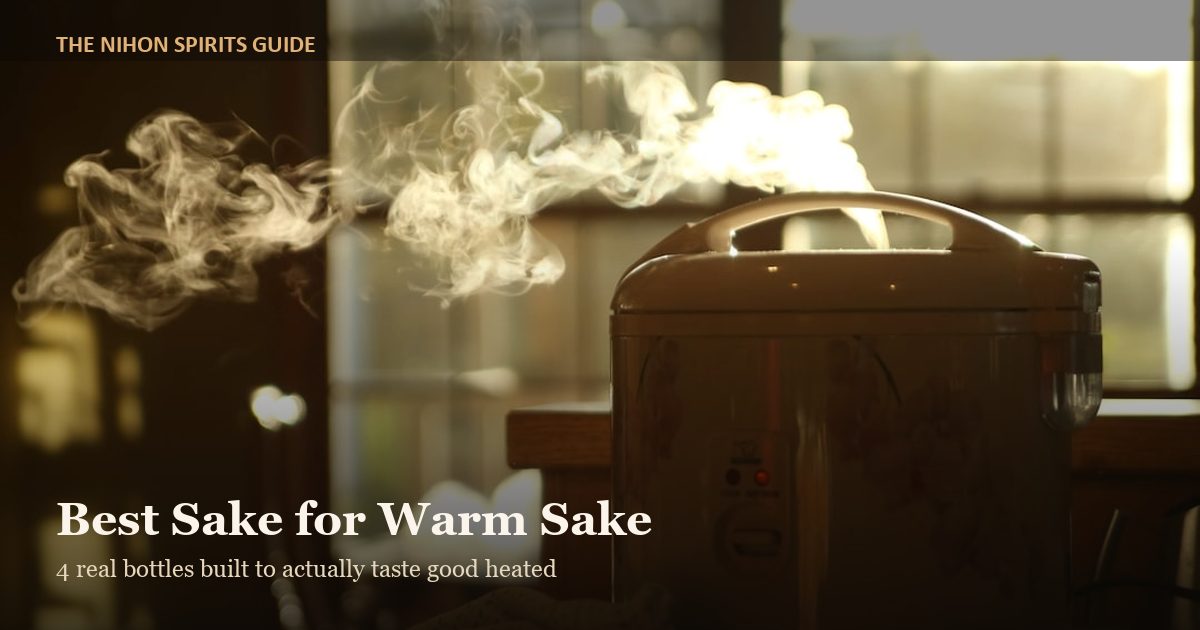
Junmai and Tokubetsu Junmai hold up to warming far better than Ginjo or Daiginjo, whose delicate aromatics flatten out under heat. Read more
The Nihon Spirits Guide日本の酒案内
Junmai and Tokubetsu Junmai hold up to warming far better than Ginjo or Daiginjo, whose delicate aromatics flatten out under heat. Read more
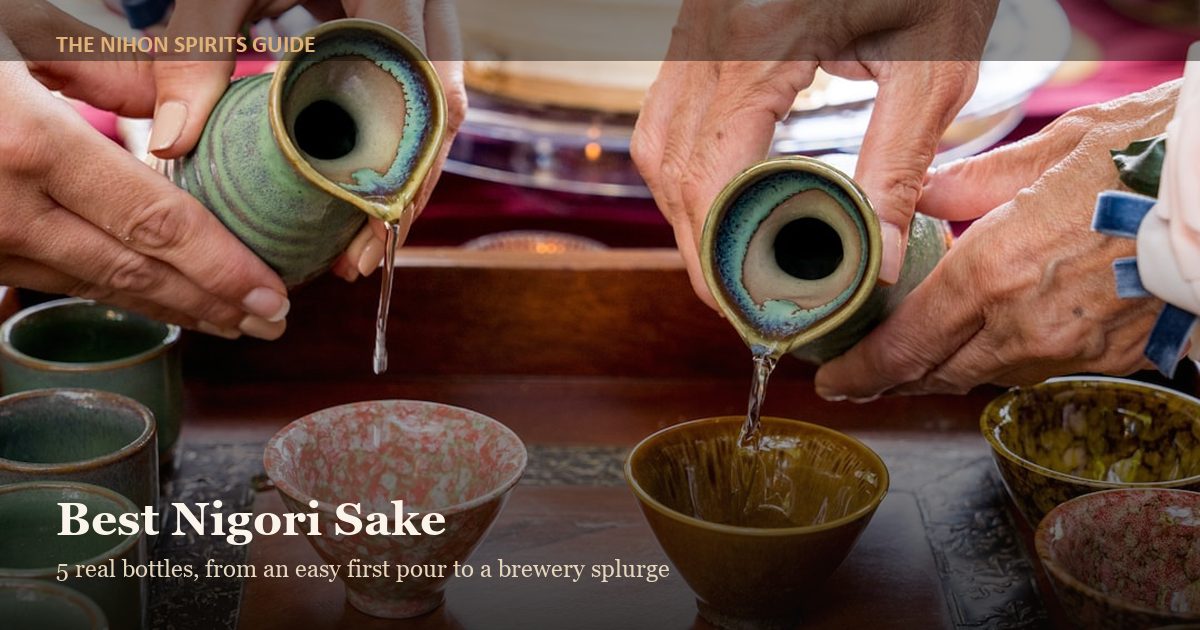
If you want one bottle that shows what nigori is about without committing to a splurge, Sho Chiku Bai Nigori Silky Mild ($12, Palate Project) is the widely available, genuinely good entry point. Read more
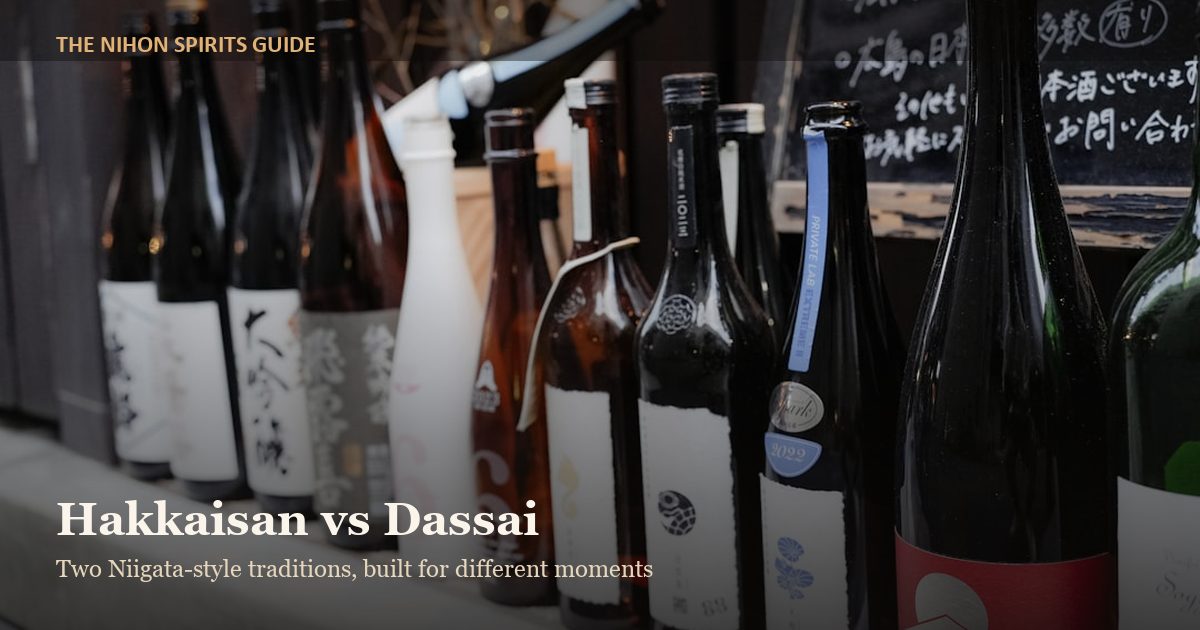
These two aren’t really competing for the same glass. Hakkaisan Tokubetsu Junmai ($28, Palate Project) is a clean, dry, food-pairing sake built to sit next to dinner and work at any temperature. Read more
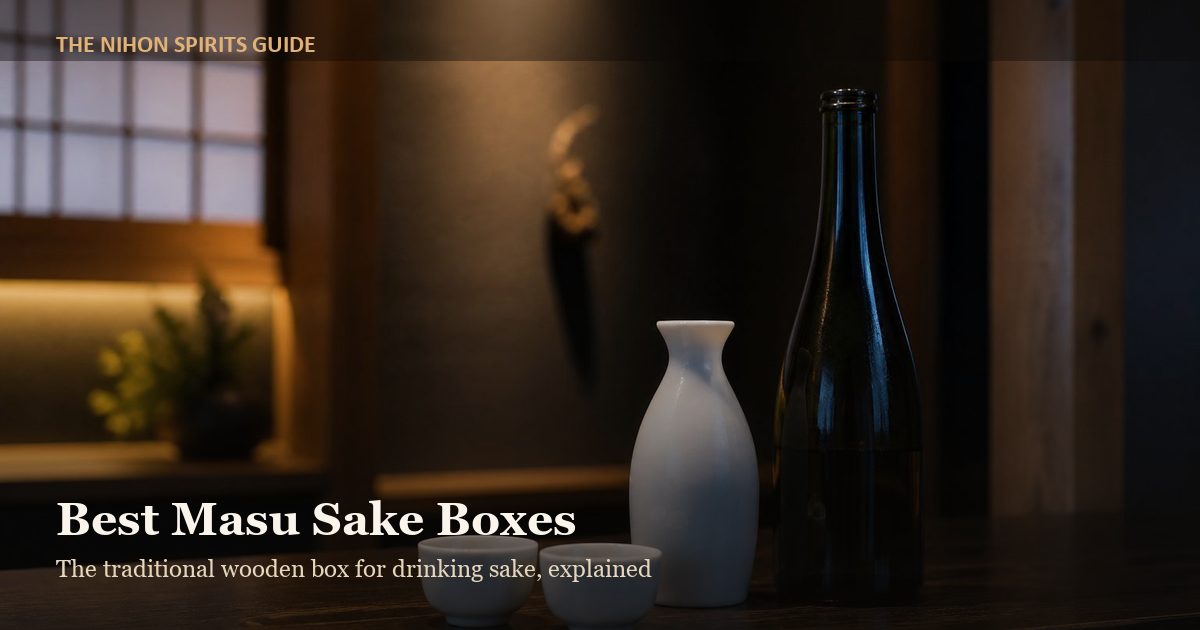
A masu is the small wooden box traditionally used to drink sake in Japan, and the best ones are made from plain, untreated hinoki (Japanese cypress) so the wood’s aroma actually reaches the sake… Read more
Hiyaoroshi is sake that’s brewed in winter, aged through the summer, and released only in fall — usually September through November — skipping the second of sake’s usual two pasteurizations. Read more
Junmai vs Honjozo comes down to one production choice: Junmai has no added alcohol, Honjozo has a small, tightly regulated amount added at the end of fermentation. Read more
Umeshu is a Japanese liqueur made by steeping unripe ume (a fruit closer to an apricot than a Western plum) in a base spirit, usually shochu, along with sugar, for months. Read more
Sake and wine are both fermented, not distilled, and both land in a similar strength range, but the similarity mostly stops there. Read more
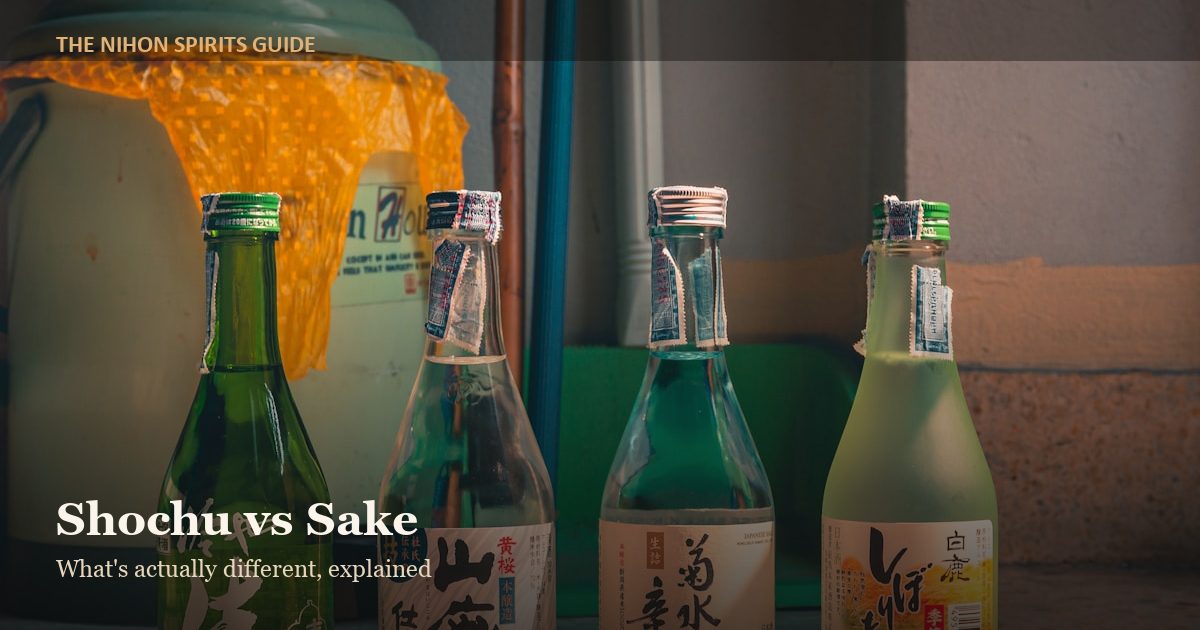
Sake is brewed, shochu is distilled, and that one difference explains almost everything else. Read more
Yes, Godzilla sake is a real product from real breweries, not a novelty label slapped on a random bottle. Read more