In this guide
Hakutsuru Plum Wine at a Glance
| Made by | Hakutsuru Sake Brewing, Hyogo Prefecture, Japan |
| Style | Fruit wine fermented from ume with wine yeast |
| ABV | 12.5% |
| Ingredients (official) | Plum fruit, sugar, antioxidant, natural flavors |
| Size | 750ml |
| Price | $21 at Palate Project |
| Taste | Semi-sweet, slightly tart, light-bodied |
| Serve | Well chilled, in a wine glass or over ice |
Price and stock checked at Palate Project on October 3, 2026. Specs from Hakutsuru’s product page.
Is Hakutsuru Plum Wine Actually Umeshu?
Not in the traditional sense, and Hakutsuru says so itself. Classic umeshu is made by steeping ume fruit and sugar in a base spirit, usually shochu, for months, as our umeshu guide explains. That makes it closer to a fruit liqueur than a wine.
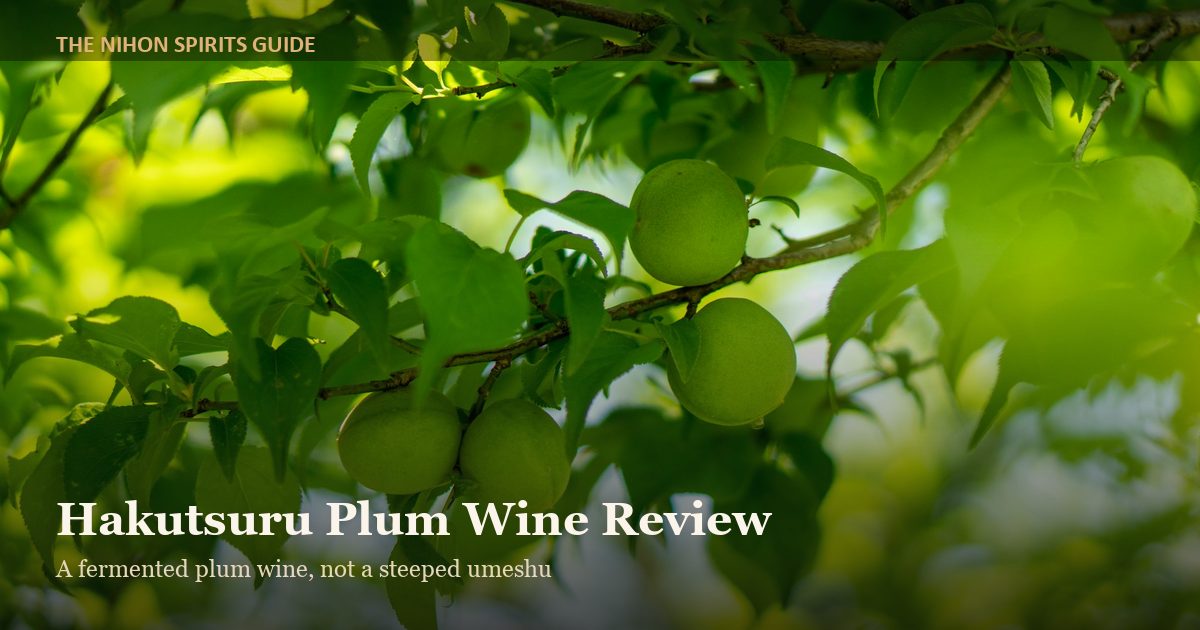
Hakutsuru Plum Wine is made the other way. According to Hakutsuru, it’s “fermented from whole ume (Japanese plums) using wine yeast,” so the alcohol comes from fermentation, the same way grape wine is made. The result is lighter and more wine-like than steeped umeshu. Hakutsuru describes it as drinking “like a semi-sweet white wine.”
This also explains a common mix-up. Hakutsuru makes a second product, Ume Plum, which is the liqueur style: premium Nanko plums steeped in brewer’s alcohol, at around 19.7% ABV. If you see “Hakutsuru umeshu” on a shelf, check which of the two it is. The 750ml Plum Wine is the one you’re most likely to find in the US.
What It Tastes Like
Hakutsuru describes a light body with “vivid fruit character” and a balanced sweet-tart profile. Palate Project lists plum and anise as tasting notes. Because it’s fermented rather than steeped with lots of sugar, it’s less syrupy than most umeshu. Expect something closer to a sweet Riesling than to a dessert liqueur.
Hakutsuru suggests serving it well chilled, in a wine glass or over ice. It also lists room temperature, cocktails, sparkling water, and hot water as options. For food, Hakutsuru pairs it with bold, salty cheeses like Roquefort or Stilton, spicy dishes, and creamy desserts.
Hakutsuru Plum Wine vs Choya
These are the two names most people compare, and they’re different drinks.
- How it’s made: Hakutsuru Plum Wine is fermented from ume with wine yeast. Choya Original is ume steeped in a spirit with sugar, as our Choya review covers.
- Texture: Hakutsuru is lighter and more wine-like. Choya is sweeter and more syrupy.
- Price: both are budget bottles. Hakutsuru is $21 for 750ml at Palate Project; Choya’s standard bottle is a little cheaper.
Pick Hakutsuru if you want something to drink like a glass of wine with cheese or a spicy meal. Pick Choya if you want the classic sweet umeshu to sip over ice or as a dessert drink.
Pros and Cons
Pros:
- Inexpensive at $21 for a full 750ml bottle
- Light and tart, so it doesn’t tire your palate the way syrupy umeshu can
- Works chilled, over ice, with soda, or in cocktails
- Made in Japan by a large, long-running sake brewer
Cons:
- Not a traditional umeshu, so it won’t satisfy someone who wants that rich, steeped flavor
- The ingredients include added sugar and natural flavors, not just plums
- Less complex than premium umeshu made on a sake base
Bottom line: a good everyday plum wine for the price, especially with food. Just don’t buy it expecting classic umeshu.
Shop Hakutsuru Plum Wine at Palate Project →
Reader code FRIEND-52L8RVN takes 10% off your order at Palate Project.
Who Should Buy It, and Who Should Skip It
- You want a light, inexpensive plum wine to drink with dinner: buy it.
- You like semi-sweet white wines and want to try something Japanese: buy it.
- You want classic, sweet, syrupy umeshu: skip it and get Choya.
- You want a premium plum drink with real depth: skip it and see the higher-end picks in our best umeshu guide.
FAQ
What is the alcohol content of Hakutsuru Plum Wine?
12.5% ABV, according to Hakutsuru. That’s about the same as a typical white wine. Hakutsuru’s liqueur-style Ume Plum is stronger, at around 19.7%.
What are the ingredients in Hakutsuru Plum Wine?
Hakutsuru lists plum fruit, sugar, antioxidant, and natural flavors.
Is Hakutsuru Plum Wine gluten-free?
Hakutsuru’s ingredient list contains no grain, but its product page doesn’t make a gluten-free claim. If you need to avoid gluten strictly, check with the brewery.
Where is Hakutsuru Plum Wine made?
In Japan. Hakutsuru lists the region as Hyogo Prefecture, home to the Nada sake-brewing district.
How should I serve it?
Well chilled, in a wine glass or over ice. It also works with sparkling water or in cocktails.
Final Thoughts
Hakutsuru Plum Wine is worth $21 if you know what you’re getting: a light, fermented fruit wine from ume, not a steeped umeshu. It’s at its best cold, with salty cheese or a spicy dish. If what you really want is the rich, sweet plum liqueur most people mean by umeshu, buy Choya instead.