
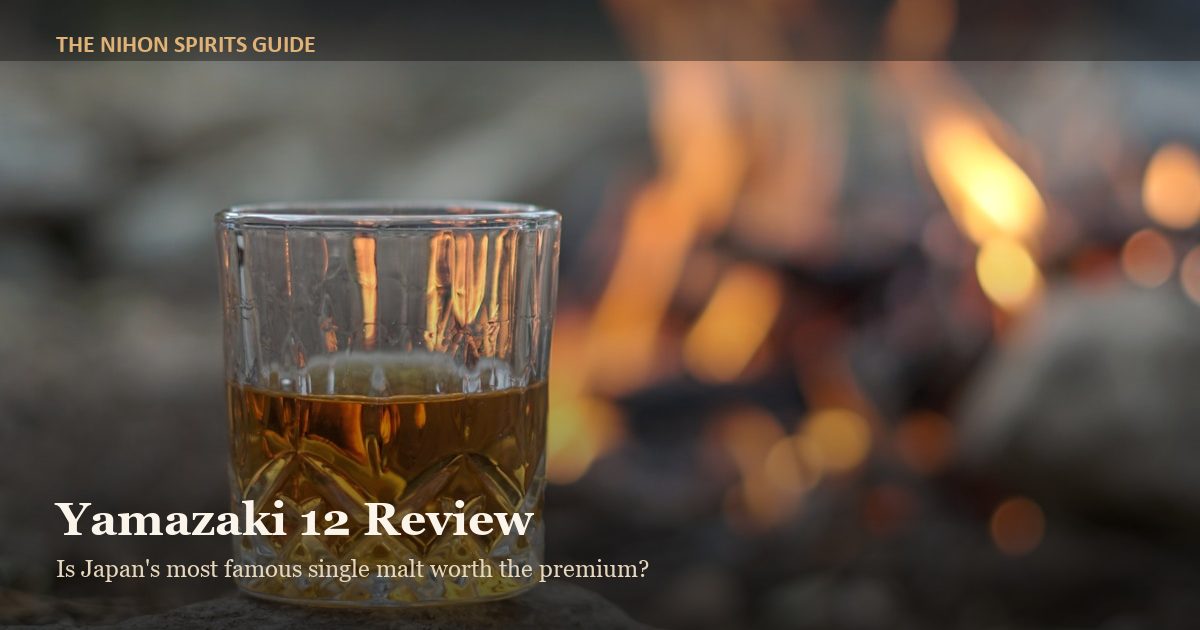
Quick answer: yes, this Yamazaki 12 review lands on worth it — it’s the single malt most responsible for putting Japanese whisky on the map internationally, and the reputation holds up on its own terms. The catch isn’t the whisky; it’s the price. Suntory has raised it twice in recent years, and street prices outside Japan now run well above what the bottle cost even five years ago.
What Yamazaki 12 Actually Is
Yamazaki is Japan’s first and oldest malt whisky distillery, founded in 1923 by Suntory’s founder Shinjiro Torii at the foot of Mt. Tennozan, a site chosen specifically for its water source. Yamazaki 12 is entirely mashed, fermented, distilled, aged, and bottled at that single distillery, which is exactly what the JSLMA’s self-regulatory standard for “Japanese whisky” requires; our Suntory Toki authenticity check walks through the same five-point standard in more detail. It’s bottled at 43% ABV. House of Suntory’s official Yamazaki page calls it “Japan’s No.1 single malt whisky,” and in 2024 the 12-year expression won Supreme Champion Spirit at the International Spirits Challenge, a genuinely major award rather than a marketing line.
What It Actually Tastes Like
Yamazaki’s house style runs fruity and floral rather than smoky: green apple, apricot, and tropical fruit sit over honeyed sweetness, with the Mizunara oak casks in the blend contributing a distinctive sandalwood and coconut character that’s become something of a signature for Suntory’s Mizunara-aged whiskies. Independent reviewers consistently describe it as multi-layered and approachable, with a medium finish that closes on soft oak and a trace of spice rather than lingering smoke. That’s the flavor contrast our Hakushu 12 review draws out directly: Hakushu leans green and herbal from its mountain distillery, while Yamazaki leans sweeter and more tropical, and the two are built to read as distinct components as much as standalone releases.
If you’re coming from a heavily peated scotch, Yamazaki 12 can read as gentle rather than assertive; the appeal here is balance and layering, not intensity.
How to Drink It
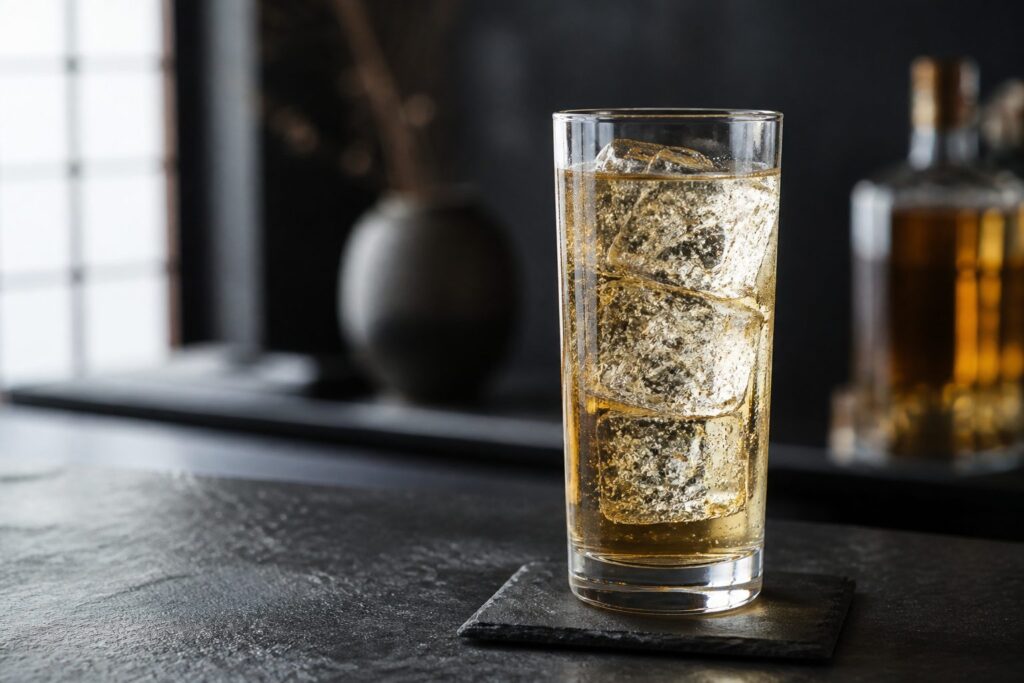
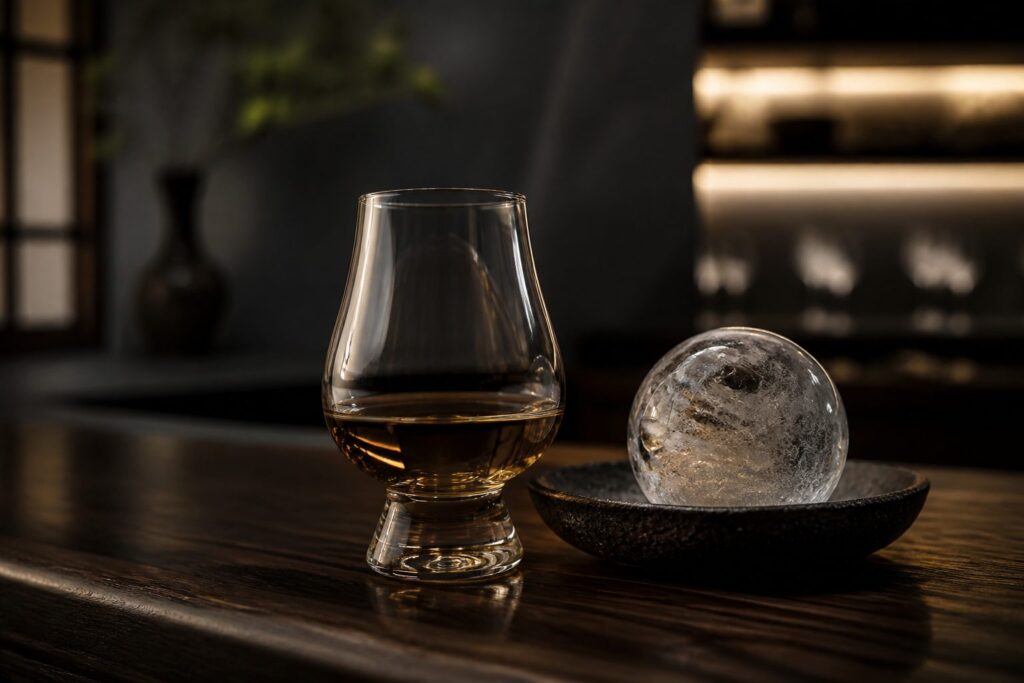
Neat or with a single large ice cube is the standard serve for showing off the fruit and Mizunara notes without diluting them. It also makes a solid highball, the most common way it’s served in Japan, though the fruitier, more delicate character is easier to appreciate at full strength first. It isn’t the pick for a stirred cocktail that needs something assertive to anchor it; something drier, like Mars Iwai Tradition, handles that job better.
Yamazaki 12 Review: Is It Actually Worth It?
Pros:
- The single malt most responsible for Japanese whisky’s international reputation, and the 2024 International Spirits Challenge Supreme Champion Spirit award backs that up with something more concrete than name recognition
- Passes the JSLMA standard cleanly, entirely distilled, aged, and bottled at Suntory’s own Yamazaki distillery since 1923
- A genuinely distinctive Mizunara oak character (sandalwood, coconut) that’s hard to find outside Suntory’s own releases
- Works well neat, on the rocks, or as a highball
Cons:
- Japan MSRP runs around ¥16,500 (roughly $110) after Suntory’s April 2026 price increase, but US street pricing commonly runs $180–240, well above that reference point
- Suntory raised the price twice in recent years, roughly 50% in April 2024 and again in April 2026, so older price references you may have seen are out of date
- At 43% ABV, some reviewers feel the complexity doesn’t fully open up compared to cask-strength expressions
- Demand has kept it allocated in some markets, meaning availability isn’t guaranteed even at current pricing
Deciding between the two? Our Hibiki Harmony vs Yamazaki 12 comparison covers how the blend and the single malt differ in style and price.
FAQ
Is Yamazaki 12 a real Japanese whisky, or a world blend?
Real Japanese whisky under the JSLMA standard — it’s a single malt distilled, aged, and bottled entirely at Suntory’s own Yamazaki distillery, Japan’s first, founded in 1923. It’s not in the same category as a world blend like The Kurayoshi Sherry Cask, which imports Scottish malt.
Why has Yamazaki 12 gotten so much more expensive?
Suntory raised prices twice recently: roughly 50% in April 2024, and again in April 2026. Combined with sustained international demand, street pricing outside Japan now commonly runs $180–240, well above the Japan MSRP of around $110.
How is Yamazaki different from Hakushu?
Both are Suntory’s own single malts, but built to taste different: Yamazaki leans sweet, fruity, and tropical, with a distinctive Mizunara oak character, while Hakushu leans green, herbal, and lightly smoky from its Southern Alps mountain distillery. See our Hakushu 12 review for the full comparison.
Is Yamazaki 12 good for someone new to Japanese whisky?
Yes, it’s one of the most approachable and widely reviewed entry points into the category, though the current price puts it at a premium for a first bottle. Suntory Toki shares some of the same house DNA at a lower price if budget is the deciding factor.
Final Thoughts
The short version of this Yamazaki 12 review: the whisky itself earns its reputation, genuinely balanced, multi-layered, and backed by a real 2024 industry award rather than just name recognition. The real question is whether you’re willing to pay well above Japan’s MSRP for it, given two recent price increases and allocation in some markets. If you want to see how it fits alongside every other bottle we’ve checked against the JSLMA standard, our Real Japanese Whisky complete list tracks all of them in one place. Shop it at The Whisky Exchange →
