In this guide
What Nikka Yoichi Actually Is
Yoichi is Nikka’s founding distillery, built in 1934 on the coast of Hokkaido specifically because founder Masataka Taketsuru believed the site’s climate and coal-fired pot stills would let him recreate the Scottish whisky-making conditions he’d studied firsthand. That coal-direct-fired distillation is still unusual even by Scotch standards today, and it’s a real part of why Yoichi tastes the way it does. Under the JSLMA’s self-regulatory standard our Suntory Toki authenticity check covers in detail, Yoichi qualifies as genuine Japanese whisky: distilled, aged, and bottled entirely at Nikka’s own coastal distillery. The standard age-statement-free release is bottled at 45% ABV.
What It Actually Tastes Like
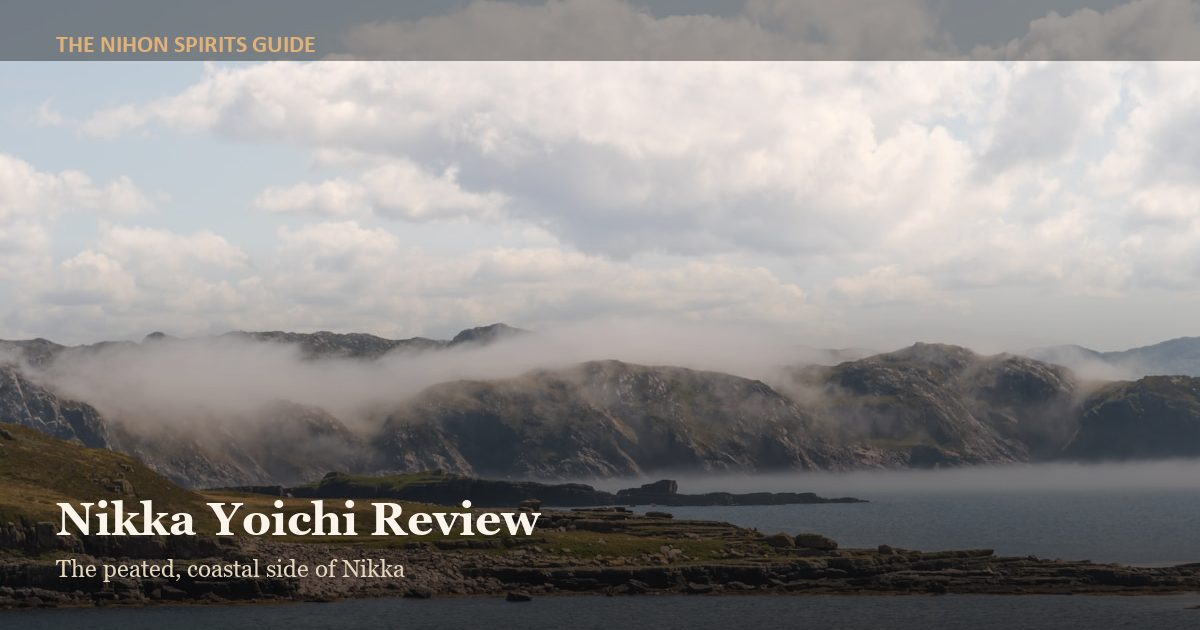
Yoichi opens aromatic and malty, with a peat character independent reviewers consistently describe as a mix of campfire smoke, sea moss, and brine, more medicinal and coastal than a typical Highland Scotch, but not as aggressive as a heavily peated Islay. Underneath the smoke sits genuinely rich, savory malt with dark fruit, smoky honey, and apricot, plus background oak char, vanilla, and cinnamon. Multiple reviewers describe it as more complex than its price point suggests, and several rank it as a better value than Yamazaki 12 or Hibiki Harmony at a similar cost, precisely because Suntory doesn’t make anything with this coastal, peated profile.
Pros:
- A genuinely peated, coastal flavor profile with no real Suntory equivalent, a real point of differentiation rather than a marginal one
- Coal-fired pot still distillation is a distinctive, documented production method, not just a marketing detail
- Independent reviewers regularly rate it as more complex than its price tier suggests
Cons:
- Meaningfully pricier outside Japan than in Japan, commonly cited around $80–100 in the US against roughly $40–50 domestically
- The peated, medicinal profile is polarizing; it’s a poor fit if you’re looking for the fruity, easy-drinking style most entry-level Japanese whisky offers
- Standard release is age-statement-free, so exact character can vary somewhat by batch
Comparing Nikka and Suntory single malts? Our Yoichi vs Hakushu comparison covers the smoky coastal style against the green, herbal one.
Price and Where to Buy
In Japan, Asahi (Nikka's parent company) set a reference price of ¥7,700 for the 700ml bottle after its April 2024 increase, and Amazon Japan listed it at ¥6,855 on October 9, 2026. Our Nikka price in Japan guide covers store and airport duty-free prices, including the duty-free-only editions.
Abroad, The Whisky Exchange had it in stock at £79.50 for 70cl on October 18, 2026, the same price as Miyagikyo, and US stores typically ask $80–100.
Older bottles marked Yoichi 10, 12, 15 or 20 year old are a different purchase. Nikka announced in 2015 that it was replacing its age-stated Yoichi range with the current no-age-statement single malt because aged stock was running low, so those bottles now sell as collectibles.
How to Drink It
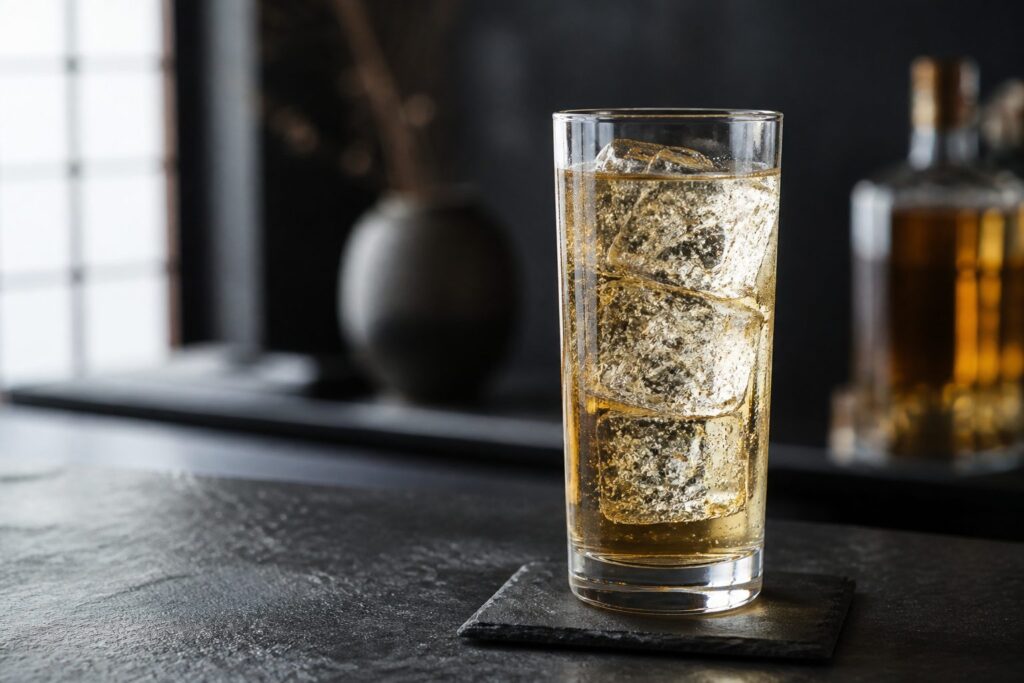
Try it neat first, then with a few drops of water; at 45% ABV it has room for both. Yoichi also makes something most Japanese whisky can't: a smoky highball. Use Suntory's guideline of 3–4 parts chilled soda to 1 part whisky and stir once, and the peat comes through the soda instead of disappearing. Whether that's a good use of an $80–100 bottle is your call, but it's the one highball you can't get from Toki or Kakubin.
Who Should Skip It
- Anyone who doesn't like smoke. Go for Miyagikyo, the fruitier, unpeated single malt from the same company at the same price.
- Heavy-peat Islay fans expecting that level of smoke. Yoichi is moderately peated and will read as restrained next to the smokiest Islay malts.
- Buyers who want the cheapest route into Japanese whisky. A blend like Suntory Toki costs far less; Yoichi is worth it for its style, not as a first bottle on a budget.
FAQ
Is Nikka Yoichi peated?
Yes, moderately to noticeably so, with a smoky, briny character independent reviewers commonly compare to a toned-down Islay Scotch. That’s a real point of contrast with most Japanese whisky, which tends toward fruitier, less smoky profiles.
Is Yoichi better than Miyagikyo?
Neither is better outright; they’re built to taste opposite. Yoichi is smoky, briny, and coastal from coal-fired stills; Miyagikyo is fruitier and matured mainly in sherry casks with little smoke. See our Nikka Miyagikyo review for the unpeated side, or our full head-to-head comparison for the complete picture.
Is Nikka Yoichi a real Japanese whisky under the JSLMA standard?
Yes. It’s distilled, matured, and bottled entirely at Nikka’s own Yoichi distillery on the coast of Hokkaido, which satisfies the JSLMA’s self-regulatory standard our Suntory Toki authenticity check covers in more depth.
Why is Yoichi more expensive outside Japan?
Import, distribution, and demand-driven markup outside Japan push the price well above the domestic rate, the same pattern our Japanese whisky for highballs guide documents for Kakubin.
Final Thoughts
The short version of this Nikka Yoichi review: it fills a real gap in the Japanese whisky landscape, a genuinely peated, coastal single malt that nothing from Suntory really replicates, and independent reviewers back that up rather than just repeating Nikka’s own marketing. The real question is whether the smoky, medicinal style suits your palate, and whether you’re willing to pay the outside-Japan markup for it. For Nikka’s fruitier, unpeated counterpart from the same distillery family, see our Nikka Miyagikyo review, and for where every bottle we’ve checked stands against the JSLMA standard, our Real Japanese Whisky complete list tracks them all in one place. Shop it at The Whisky Exchange →