
As an Amazon Associate, we earn from qualifying purchases. This doesn’t affect the price you pay or which picks we recommend.
Quick answer: the best sake cups span three materials that each change the experience a little — ceramic for an all-purpose everyday cup, tin for a smoother pour that traditionalists swear by, and cypress wood for the aroma it adds. If you just want one good pair of hands-on cups to start with, the IPPINKA Hasami-Ware Fugaku Guinomi is the safest pick: authentic Made-in-Japan ceramic at a fair price.
Guinomi vs. Ochoko: What’s the Difference?
Both words mean “sake cup,” and English-language listings use them almost interchangeably, but there’s a real distinction. Ochoko are the small, straight-sided cups you’ll recognize from izakayas — typically under 30ml, meant for quick, measured sips, often served alongside a tokkuri (the small ceramic flask). Guinomi are larger, rounder, and meant to be cradled in one hand for a more relaxed, unhurried drink — the name literally suggests “gulping.” Neither is more correct than the other, and most of the cups in this guide would comfortably answer to either name; the practical difference is just how much sake you want in a single pour.
A third shape worth knowing is the masu — a small square wooden box, originally a rice-measuring tool repurposed for sake at celebrations and ceremonies. It’s a fun novelty for a specific occasion, but not what most people reach for as an everyday cup, which is why it’s not one of the five picks below.
Sake Cups: Comparison at a Glance
| Cup | Material | What’s Included | Best For |
|---|---|---|---|
| IPPINKA Hasami-Ware Fugaku Guinomi | Ceramic (Hasami-yaki) | 1 cup, 2oz | The safest overall pick |
| NOUSAKU Tin Guinomi | 100% tin | 1 cup, ~2oz | Traditionalists who want a different pour |
| Asayu Japan Ceramic Ochoko Set | Ceramic (Mino-yaki) | 5 cups, 1.6oz each | Best value / starter set |
| IPPINKA Fujisan Glass Guinomi | Soda-lime glass | 2 cups (blue & red) | Chilled sake |
| TakumiE Cypress Guinomi Set | Hinoki cypress wood | 1 tokkuri + 2 large cups | The aroma the wood adds |
Prices vary by retailer and change often — treat these as a starting point, not a quote.
1. IPPINKA Hasami-Ware Fugaku Guinomi — Best Overall
Hasami, in Nagasaki Prefecture, has been a working pottery town for over 400 years, and this cup is straightforward proof of that history: a clean white base with a subtle cobalt-blue Mt. Fuji motif, made the way Hasami-yaki has always been made rather than styled to look traditional. At 2oz (59ml), it sits comfortably in the guinomi size range without tipping into “novelty large” territory.
Pros:
- Genuine Hasami-yaki from an actual Japanese pottery region, not an import styled to look Japanese
- Understated design that works for both casual and formal serving
- Pairs with the matching Hasami-Ware tokkuri if you want a set later
Cons:
- Sold as a single cup — buy multiples if you’re serving guests
- Ceramic doesn’t retain cold the way glass does, so it’s a better fit for room-temperature or warmed sake than chilled
Bottom line: the pick if you want one well-made, authentic cup and don’t want to think much harder about it.

IPPINKA Hasami-Ware Fugaku Guinomi
2oz, made in Japan, Hasami ware.
2. NOUSAKU Tin Guinomi — Best for a Different Pour
NOUSAKU has cast metal goods in Takaoka, Toyama, using techniques passed down for over 400 years, and their tin guinomi is the one genuinely different option on this list. Sake tradition holds that tin softens some of the sharper, more aggressive notes in a pour — it’s a claim rooted in how tin’s thermal properties interact with the drink, not a marketing invention, though how noticeable it is will depend on the sake and the drinker. Either way, it’s a striking cup on its own: a soft pewter-like sheen, often finished with a zodiac or gold-foil motif, and light enough to feel different in hand than ceramic.
Pros:
- A genuinely different material, not just a different glaze on the same ceramic base
- Traditional Takaoka casting craft with real regional history
- Doesn’t retain flavors or odors the way some materials do, so it’s easy to keep neutral between pours
Cons:
- Pricier per cup than the ceramic options here
- The taste difference is subtle and won’t matter to every drinker — don’t buy it expecting a dramatic transformation
Bottom line: the pick for someone who already has a ceramic cup and wants to try the tin difference for themselves.
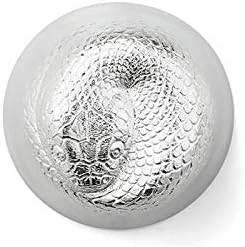
NOUSAKU Tin Guinomi
Traditional Japanese tin craft. 5.0★ (2 ratings).
3. Asayu Japan Ceramic Ochoko Set of 5 — Best Value / Starter Set
Made 100% in Toki, Gifu Prefecture — one of Japan’s major ceramics-producing areas — this set solves the “buy one, need five” problem in a single order. Each of the five cups comes in a different color (black, white, grey, vermilion, and dark green), so a table of guests can each keep track of their own cup, which is a genuinely useful bit of design for anything more casual than a formal tasting.
Pros:
- Five cups at once, ready to serve a small group straight out of the box
- Different colors per cup make it easy for guests to keep theirs
- Real Mino-yaki pottery at a set price lower than buying five single cups separately
Cons:
- At 1.6oz each, they’re on the smaller, ochoko-style end — not the pick if you want a larger guinomi-style pour
- The mixed-color set is a specific look; not for anyone who wants a matching, uniform set
Bottom line: the pick if you’re starting from zero and want to host a small group without buying cups one at a time.

Mino Ware Ceramic Ochoko Set of 5
Made in Japan, Mino ware porcelain. 5.0★ (1 rating).
4. IPPINKA Fujisan Glass Guinomi, Set of 2 — Best for Chilled Sake
Every other cup on this list is ceramic, tin, or wood — all of which are traditional, and none of which show off a chilled, pale ginjo the way glass does. This handmade soda-lime glass set, cut with a simple Mt. Fuji (Fujisan) silhouette and finished in blue and red, is built for cold sake specifically: it keeps its chill briefly the way glass does, and it lets you actually see the sake’s clarity, which matters more with premium ginjo and daiginjo grades than with warmed junmai.
Pros:
- The only glass option here, which matters if you mostly drink chilled sake
- Handmade in Japan, not machine-pressed import glass
- Comes as a pair, so you’re not stuck buying a single cup twice
Cons:
- Glass doesn’t hold heat, so it’s a poor match for warmed (atsukan) sake
- Only two cups included — not enough on its own for a larger gathering
Bottom line: the pick if chilled ginjo and daiginjo are what you actually drink, rather than warmed sake.

IPPINKA Fujisan Glass Guinomi, Set of 2
Soda-lime glass, handmade in Japan.
5. TakumiE Cypress Guinomi Set — Best for the Aroma
This set pairs a hinoki cypress tokkuri with two matching large cups, uncoated on the inside and lightly sealed with polyurethane on the outside — a construction that lets the wood’s aroma actually reach the sake rather than being sealed off entirely. Hinoki is the same wood used for masu boxes and traditional Japanese baths, and its scent (often described as slightly citrusy and resinous) is a real part of the drinking experience, not just a visual theme.
Pros:
- The aroma is a genuine sensory addition, not a novelty — it changes how the sake presents even before you taste it
- Comes as a matched tokkuri-and-cups set rather than cups alone
- Made in Japan from real hinoki, not a wood-look composite
Cons:
- The wood aroma is a strong preference item — some drinkers love it, others find it distracts from a delicate ginjo
- Wood needs gentler care than ceramic or tin (hand-wash, avoid soaking)
Bottom line: the pick for someone who wants the cup itself to be part of the sake’s flavor, not just the vessel.

TakumiE Cypress Guinomi, Set of 3
Large cypress wood cups.
Which Sake Cup Should You Buy?
- Just want one solid, authentic cup: get the IPPINKA Hasami-Ware Fugaku Guinomi.
- Curious about the tin difference: get the NOUSAKU Tin Guinomi.
- Hosting a small group and starting from nothing: get the Asayu Japan Ceramic Ochoko Set of 5.
- Mostly drink chilled ginjo or daiginjo: get the IPPINKA Fujisan Glass Guinomi set.
- Want the cup to add something to the aroma: get the TakumiE Cypress Guinomi Set.
FAQ
What’s the difference between a guinomi and an ochoko?
Both mean “sake cup” and the terms are used loosely, but ochoko are traditionally the smaller, straight-sided cups for quick sips, while guinomi are larger and rounder, meant to be cradled for a slower drink. Most cups sold today fit either description reasonably well.
Does the material of the cup actually change how sake tastes?
To a degree, yes. Tin is traditionally said to soften sharper notes, wood adds its own aroma to the sake, glass shows off clarity and works best chilled, and ceramic is the neutral, all-purpose choice that doesn’t add or take away much. The effect is real but subtle — it’s not going to turn a cheap sake into a premium one.
Do I need a tokkuri (sake flask) to use these cups?
No — any of the cups here work fine poured straight from the bottle. If you do want the full traditional serving setup with a matching flask, our guide to the best sake sets covers tokkuri-and-cup combinations specifically.
What sake should I actually pour into one of these?
If you’re still deciding, our sake for beginners guide covers five bottles to start with, and sake grades explained breaks down what Junmai, Ginjo, and Daiginjo actually mean on a label.
Final Thoughts
None of these cups will make a bad sake taste good, but the material genuinely changes the experience of a good one — that’s the whole reason ceramic, tin, glass, and wood versions have all persisted for centuries instead of converging on one “best” design. Start with the Hasami-Ware ceramic guinomi if you just want a reliable everyday cup, and once you’ve got that covered, pair it with a few otsumami snacks to go with the pour.