
Palate Project is a partner who may pay us when you buy through the links in this article. This doesn’t change which bottles we recommend. How this works. Reader code FRIEND-52L8RVN takes 10% off your order.
Quick answer: yes, this Dassai 39 review lands on worth it — it’s the bottle to reach for once Dassai 45 starts tasting a little simple, but before you’re ready to spend $98 on the flagship 23. At $49, it sits almost exactly between the other two on price, and the sake itself splits the difference too.
Where Dassai 39 Fits in the Lineup
Dassai is made by Asahi Shuzo, a brewery founded in the 1770s in the mountains of Iwakuni, Yamaguchi prefecture — far from Japan’s traditional sake heartlands. By the time Hiroshi Sakurai returned to run the family brewery in 1976, sales had fallen to a third of what they’d been a decade earlier, and Yamaguchi sake had a poor local reputation. Sakurai stopped competing on the local market entirely, committed the brewery to Junmai Daiginjo only — the most refined, most expensive tier to produce — and sold it directly to retailers and restaurants in Tokyo instead. That bet became the Dassai brand in 1992, built around what is now Dassai 23, and Dassai is now the top-selling premium sake in Japan by volume at the Ginjo and Daiginjo level.
Dassai 45 came later as a more accessible entry point, eventually replacing the older Dassai 50 in 2019. Dassai 39 sits between the two: more polished and more refined than 45, but priced and positioned well below 23. Our Dassai 45 review and Dassai 23 review cover the brewery’s full turnaround story and the other two bottles in more depth.
What “39” Actually Means
The number is the seimaibuai, or rice-polishing ratio — 39% of the original Yamada Nishiki rice grain remains after milling, meaning 61% of each grain is milled away before brewing even starts. That places Dassai 39 comfortably inside Daiginjo territory (anything at 50% or below qualifies), between the 45% remaining in Dassai 45 and the 23% remaining in Dassai 23. Our sake grades explained guide and Ginjo vs Daiginjo guide cover how the polishing ratio affects flavor, price, and grade classification across the category, and the Japan Sake and Shochu Makers Association’s official glossary covers the seimaibuai term itself.
What It Actually Tastes Like
Dassai 39 is built as a middle ground, and it tastes like one. Where Dassai 45 leans toward pear, apple, and a floral lift, 39 shifts toward ripe melon and white flowers, with a texture that’s noticeably rounder and creamier than the 45 — several independent tasting notes describe it as smoother and less alcohol-forward, even though the ABV is close. Acidity runs a touch higher than 45 too, which keeps the finish crisp instead of letting the fruit turn cloying. It doesn’t reach the layered precision of Dassai 23 — that bottle’s extra polishing buys real complexity — but it’s a clear, deliberate step up from 45 rather than a marginal one. Bottled at 16% ABV, it’s in line with most premium sake in this category.
How to Serve It
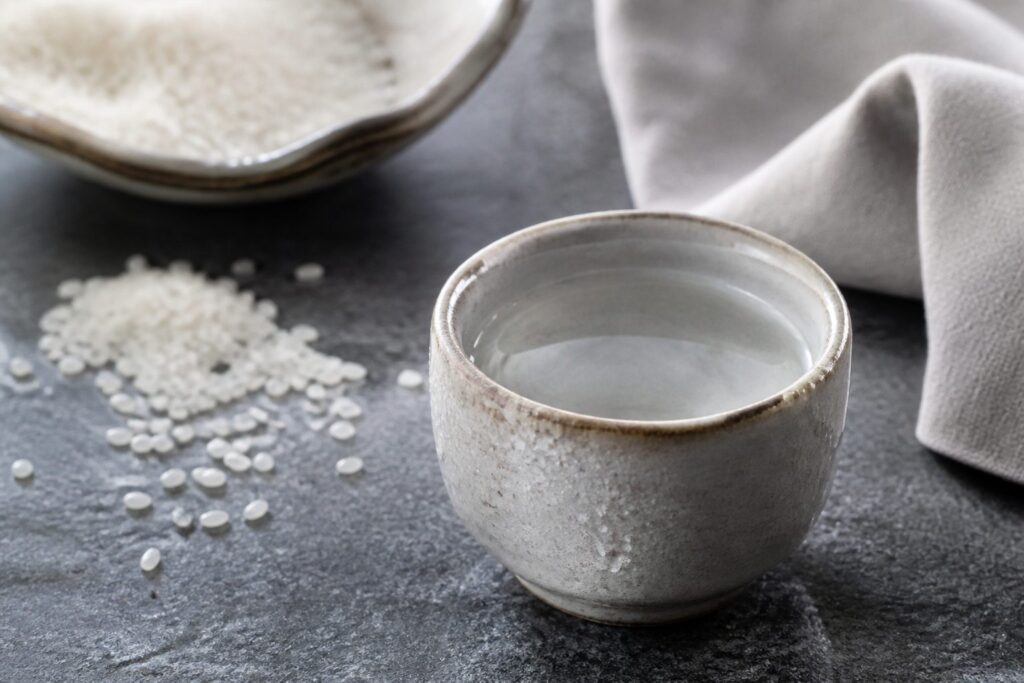
Chilled, the same as the rest of the lineup — warming mutes the floral and fruit aromatics that are the entire point of a Junmai Daiginjo at this level. It pairs well with seafood and sushi or sashimi, and the creamier texture makes it a good match for slightly richer fish than you’d pair with the lighter Dassai 45. For the traditional way to pour and serve it, our guide to tokkuri and ochoko sake sets covers the basics.
Dassai 45 vs 39 vs 23: Comparison at a Glance
| Dassai 45 | Dassai 39 | Dassai 23 | |
|---|---|---|---|
| Seimaibuai (polishing ratio) | 45% | 39% | 23% |
| Grade | Junmai Daiginjo | Junmai Daiginjo | Junmai Daiginjo |
| Rice | Yamada Nishiki | Yamada Nishiki | Yamada Nishiki |
| Price (720ml, Palate Project) | $35 | $49 | $98 |
| Profile | Fruity, floral, light | Melon-forward, creamy, higher acidity | Layered, precise, honeyed |
| Best for | First-ever premium sake | Once 45 feels too simple | Special occasions, already a fan |
Prices confirmed at Palate Project on 2026-08-31 and may change.
Dassai 39 Review: Is It Actually Worth It?
Pros:
- A genuine middle step between 45 and 23, not just a price point wedged between them
- Creamier texture and higher acidity give it more character than Dassai 45 without the cost jump to 23
- Made from the same Yamada Nishiki rice and the same brewery’s Junmai Daiginjo-only production standard as the rest of the lineup
Cons:
- Doesn’t reach the precision or complexity of Dassai 23 — if that’s what you’re after, the extra polishing on 23 is worth paying for
- Less widely stocked than Dassai 45, which remains the brand’s most common recommendation
- If you’ve never had a Dassai bottle before, 45 is still the safer, cheaper place to start
Bottom line: the bottle to buy once you already know you like Dassai’s style and want more than 45 offers, without committing to 23’s price.
FAQ
What does the “39” in Dassai 39 mean?
It’s the seimaibuai, or rice-polishing ratio — 39% of the original rice grain remains after milling. Our sake grades explained guide covers how this number affects flavor and price across sake grades generally.
Is Dassai 39 better than Dassai 45?
Not strictly better — more polished and, for most drinkers, more interesting once they already know they like the house style. Dassai 45 is still the more approachable first bottle if you’ve never tried premium sake before.
Should I buy Dassai 39 or go straight to Dassai 23?
Depends on budget and how much complexity you want. 39 is a genuine step up from 45 at roughly half the price of 23. Save 23 for once you already know Dassai’s style is one you want to spend more on.
How long does an opened bottle last?
Refrigerated and resealed, it holds up reasonably well for about a week, though the floral aromatics fade first. Sake doesn’t improve with age the way wine can, so there’s no reason to save it.
Final Thoughts
The short version of this Dassai 39 review: it’s not a compromise in the negative sense — it’s a deliberate middle bottle that actually earns its place between 45 and 23, rather than just filling a gap in the price list. For the full lineup and four other beginner-friendly bottles, see our sake for beginners guide. Palate Project carries Dassai 39 — shop it here →
