
Palate Project is a partner who may pay us when you buy through the links in this article. This doesn’t change which bottles we recommend. How this works.
Quick answer: yes — this Hakkaisan Junmai Ginjo review lands on worth it, but specifically for readers who want a sake to drink with dinner rather than sip on its own. If you’re after the fruit-forward, easy-to-love style of a bottle like Dassai 45, this isn’t that, and it isn’t trying to be.
The Brewery Behind the Bottle
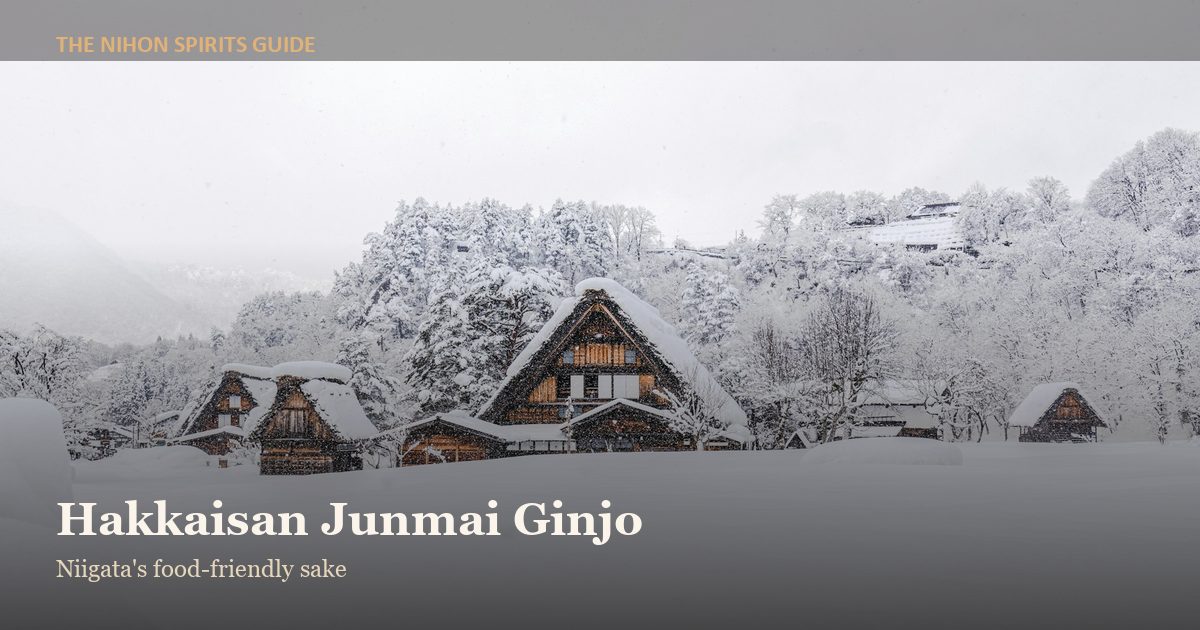
Hakkaisan was founded in 1922 by Koichi Nagumo in Minamiuonuma, Niigata — a region buried under two to three meters of snow most winters, sitting in the shadow of the sacred Mount Hakkaisan the brewery is named for. The company nearly stalled after Koichi’s death in 1953: his son Kazuo took over day-to-day operations at just twenty-five, backed by a small team — his wife Ai, a finance lead named Yoshigoro Tomidokoro, a brewer named Takao Maruyama, and a head brewer (toji) named Haruo Takahama who joined in 1958. All of them were still in their twenties. That team is credited with laying the groundwork for the brewery Hakkaisan is today.
The house style that came out of it is often described as tanrei karakuchi — light and dry — a hallmark of Niigata brewing more broadly. Snow country breweries like Hakkaisan lean on that heavy snowmelt for exceptionally soft, mineral-light water, which is part of why the regional style trends clean rather than heavy. Niigata brewers have also long favored Gohyakumangoku rice for this kind of profile — a variety our sake grades guide covers in more detail, prized specifically for producing crisp, light-bodied sake rather than the fuller style Yamada Nishiki tends toward.
What “Junmai Ginjo” Actually Means Here
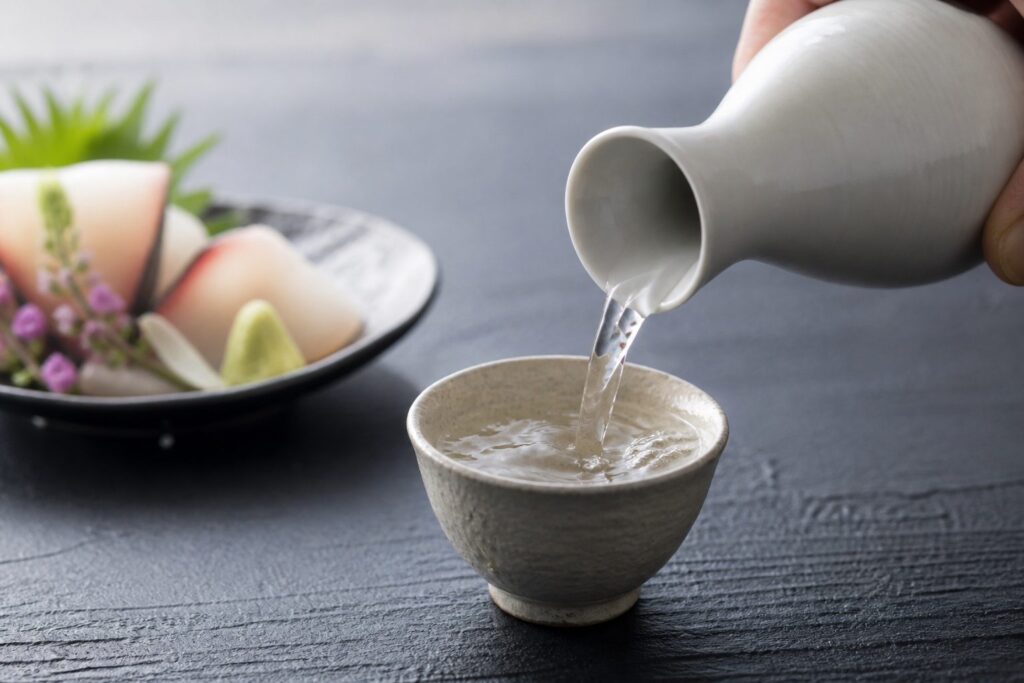
Junmai means no distilled alcohol was added — just rice, water, koji, and yeast. Ginjo means the rice was milled down to 60% or less of its original size before brewing; Hakkaisan’s version is polished to 55%, comfortably inside that tier without reaching into Daiginjo territory. For the full breakdown of how Japan’s sake grading system works, see our sake grades explained guide — the short version is that more polishing generally means a lighter, more fragrant pour, and this bottle sits solidly in the middle of that spectrum rather than at either extreme.
What It Actually Tastes Like
Expect honeysuckle, guava mochi, and almond skin on the nose, with a dry, light body, real minerality, and a long, quiet finish rather than an upfront fruit bomb. It’s around 15–16% ABV, in line with most premium sake. The bottle picked up a Silver Medal at the 2017 Los Angeles International Wine Competition, which is a reasonable outside signal that the restraint here isn’t just a marketing description — it’s a genuinely well-made, food-friendly sake, not a stripped-down entry-level pour.
How to Serve It
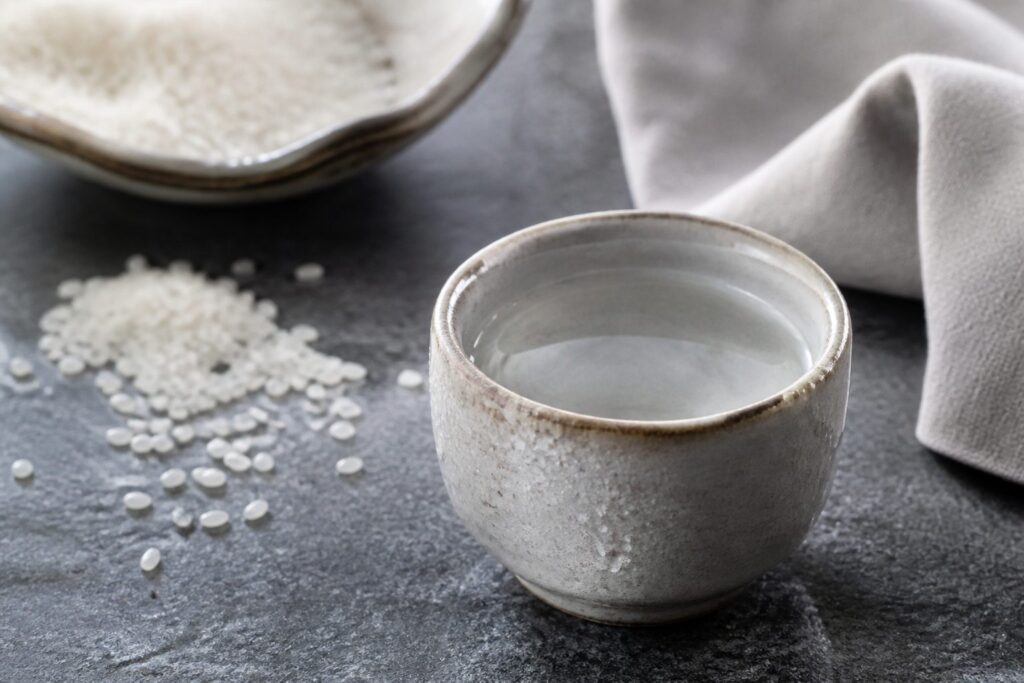
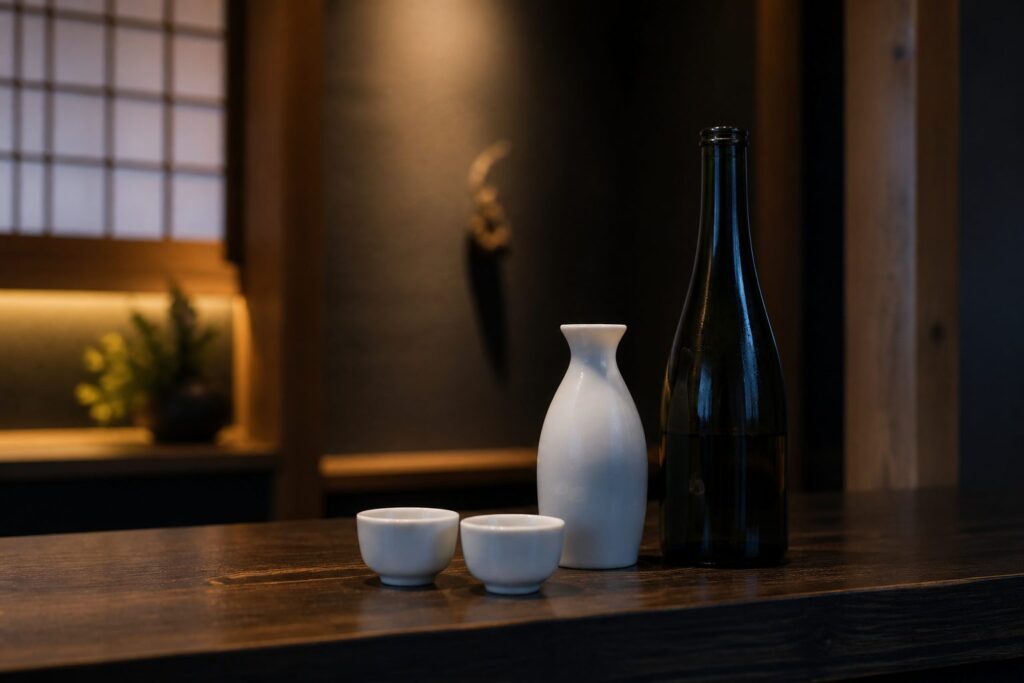
Cold or lightly chilled, not warm. Warming is traditional for cheaper table-grade sake, but it flattens exactly the delicate aromatics a Junmai Ginjo like this is built to show. Serve it in a proper tokkuri and ochoko set alongside a meal rather than on its own — grilled fish, hot pot, or anything with a soy-based sauce is where this bottle is actually meant to work, since it’s built to complement food rather than compete with it.
Hakkaisan vs the Fruitier Style
If you’ve tried Dassai 45 and loved the mango-and-pear fruit-forward profile, Hakkaisan is a genuinely different direction — drier, more mineral, more restrained. Neither is objectively better; they’re built for different moments. Dassai works as an easy, sippable introduction to sake on its own. Hakkaisan works best next to a plate of food, which is exactly why our sake for beginners guide lists it as the pick specifically for pairing rather than for a first solo pour.
Hakkaisan Junmai Ginjo Review: Is It Actually Worth It?
Pros:
- Genuinely food-friendly rather than just marketed that way — built to sit alongside a meal
- Clean, precise, minerally profile backed by a century of brewing history in one of Japan’s most demanding snow-country regions
- Widely enough distributed in the US to actually find
Cons:
- Its restraint can read as underwhelming if you’re used to fruitier styles like Dassai
- Not the bottle to reach for if you want an easy, obvious first impression on its own
- Less dramatic nose than the more aromatic Ginjo and Daiginjo bottles built to be sipped solo
FAQ
Is Hakkaisan Junmai Ginjo sweet or dry?
Dry. It’s built in Niigata’s tanrei karakuchi (light and dry) tradition, closer to a crisp white wine than to a sweeter style like nigori.
What food pairs well with Hakkaisan Junmai Ginjo?
Grilled or raw fish, hot pot, and other soy-forward dishes. Its restraint is designed to let food flavors lead rather than compete with them.
How is this different from Hakkaisan’s other sake?
Hakkaisan also makes a Junmai Daiginjo and a Tokubetsu Honjozo, both more polished or differently styled. The Junmai Ginjo covered here is the brewery’s core, most widely available expression.
Final Thoughts
The short version of this Hakkaisan Junmai Ginjo review: it’s a genuinely well-made, food-first sake from a brewery with a real story behind it, not just a supermarket default. If you want fruit and easy drinkability on its own, start with Dassai 45 instead; if you want something to pour next to an actual meal, this is the one. For four more starting points, see our sake for beginners guide. Palate Project carries Hakkaisan Junmai Ginjo — shop it here →
