
Quick answer: yes — Kikusui Perfect Snow is worth trying, but go in knowing what it actually is: a 21% ABV, undiluted (genshu) nigori built for sweetness and texture, not the light, delicate style most “beginner sake” guides describe. If you’ve found clear, dry sake too subtle to notice, this is the bottle that finally tastes like something. If you’re looking for an introduction to sake’s traditional dry, crisp side, start with one of the clear bottles below instead.
Some of the retailers we link to, including Palate Project, are partners who may pay us when you buy through them. This doesn’t change which bottles we recommend. How this works.
The Brewery Behind the Bottle
Kikusui was founded in 1881 in Shibata, a city in Niigata Prefecture, by Setsugoro Takasawa — the brewery is still run by the same family today. The name combines kiku (菊, chrysanthemum) and sui (水, water), a reference to a traditional Noh play in which water gathered from chrysanthemum dew is said to grant longevity.
Niigata’s brewing conditions are hard to beat: heavy winter snowfall, some of the largest rice-growing land in Japan, and mountain snowmelt that filters into clean groundwater. Kikusui’s own history hasn’t been easy, though — the brewery was hit by the 1964 Niigata earthquake and then damaged by flooding in both 1966 and 1967. It rebuilt each time and is now one of the better-known Niigata producers outside Japan, largely on the strength of two very different products: Funaguchi, an unpasteurized “nama” sake sold in aluminum cans, and Perfect Snow, the nigori this review covers. Kikusui markets Perfect Snow directly as Japan’s No.1 nigori-sake by volume — a claim that at least holds up against how consistently the bottle turns up across independent US sake retailers.
Nigori and Genshu: Two Labels, Two Different Things
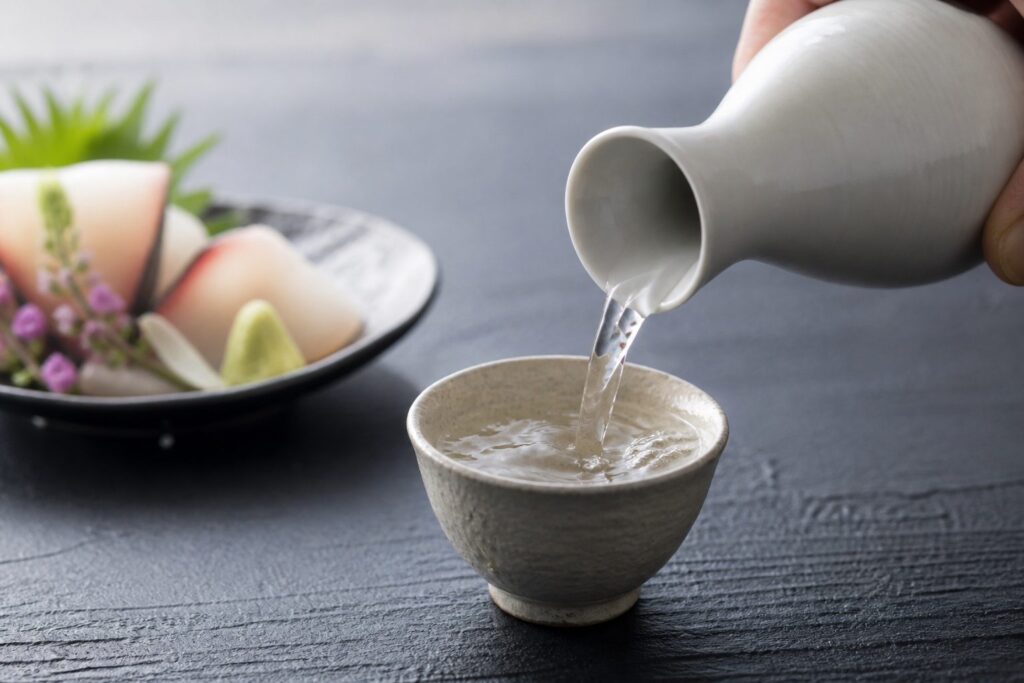
As we cover in our sake grades guide, “nigori” isn’t a quality grade — it’s a filtration style, and it can technically be paired with almost any grade (junmai nigori, ginjo nigori, and so on). Perfect Snow is coarsely filtered so that fermented rice solids stay suspended in the sake rather than being pressed out, which is what gives it that cloudy, almost milky look and a genuinely chewy texture rather than a purely liquid mouthfeel.
It’s also labeled genshu, meaning undiluted — most sake is cut with water after pressing to bring the ABV down to a standard 15–16%. Perfect Snow skips that step, which is the direct reason it comes in at 21% ABV instead. Combine “left cloudy” with “never watered down” and you get a sake that reads as noticeably stronger and sweeter than almost anything else on a typical beginner’s shelf.
What It Actually Tastes Like
Kikusui makes Perfect Snow with Gohyakumangoku rice — the same Niigata-grown rice variety behind the prefecture’s famously light, crisp tanrei karakuchi (dry and clean) sake style. That’s worth pointing out because Perfect Snow tastes nothing like that style. The genshu, unfiltered production method overrides the rice’s usual character: expect ripe tropical fruit — mango, pineapple, papaya — a full-bodied sweetness, and a chewy texture from the suspended rice particles, balanced by enough acidity that it doesn’t taste syrupy.
The 21% ABV is easy to underestimate because the sweetness masks it. This isn’t a sake to treat like a standard 15% bottle — pace it more like you would a fortified wine.
How to Serve It (Kikusui’s Own Suggestions Are Unusual — and Legitimate)
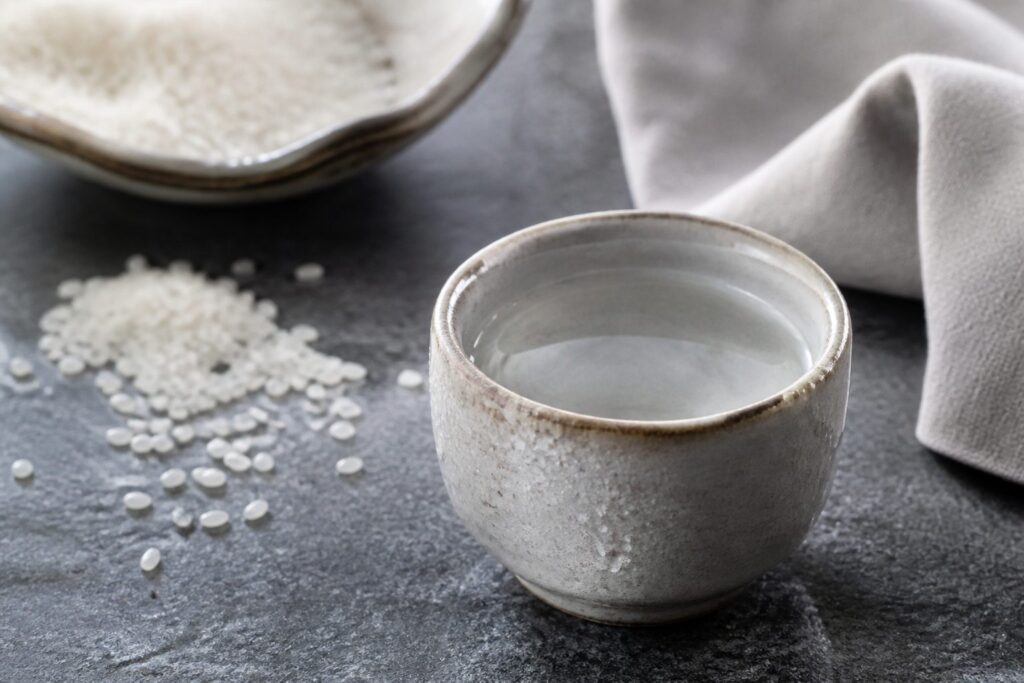
Most sake serving advice sticks to temperature. Kikusui’s own guidance for Perfect Snow goes further, and it’s worth taking seriously rather than dismissing as marketing: served chilled on its own, over ice, or mixed — roughly 2:1 with soda water, 1:1 with orange juice, or 1:1 with milk. That last one sounds unlikely for a premium sake, but Perfect Snow’s high ABV and heavy sweetness were built with mixing in mind, unlike a delicate ginjo that would be wasted in a cocktail. Kikusui also suggests pairing it with genuinely assertive food — spare ribs, spicy Korean stews — rather than the subtle, seasonal dishes usually recommended alongside clear sake.
Perfect Snow vs. the Clear Sake in Our Beginners Guide
If you’ve read our best sake for beginners roundup, Perfect Snow is the outlier on that list by design — it’s there for readers who tried a clear junmai or ginjo (like Dassai 45 or our Hakkaisan Junmai Ginjo) and found it too subtle to register as “sake” at all. Where those bottles are built around restraint and rice-driven nuance, Perfect Snow is built around sweetness, texture, and strength you can’t miss. Neither approach is more “authentic” — they’re different, equally traditional branches of sake production aimed at different palates.
Kikusui Perfect Snow Review: Is It Actually Worth It?
Yes, with a caveat on expectations. At roughly $28–32 for a 750ml bottle (smaller 180ml and 300ml formats are also common and a lower-commitment way to try it first), Perfect Snow is reasonably priced for a bottle with this much brand recognition. It’s not a sipping sake for someone chasing subtlety, and the 21% ABV means it’s not a casual pour either. But as a dessert-adjacent, genuinely distinct style — and as the sake to hand someone who’s decided they “don’t like sake” after trying a delicate junmai — it earns its reputation.
FAQ
Is Kikusui Perfect Snow sweet or dry?
Sweet — tropical fruit-forward with a full body, thanks to the undiluted (genshu) production method and the coarse filtration that leaves rice solids in the bottle. It’s on the sweeter end of any sake you’re likely to find at a US retailer.
Why is the ABV so much higher than other sake?
Because it’s genshu (undiluted). Most sake is cut with water after pressing to reach a standard 15–16% ABV; Perfect Snow skips that dilution step, which is what pushes it to 21%.
Do you need to shake the bottle before pouring?
Nigori sake settles during shipping and storage, with rice sediment collecting at the bottom. A gentle shake or swirl before opening redistributes it evenly, which is part of getting the intended texture rather than a thin pour followed by a sludgy last glass.
Is Perfect Snow a good sake for someone who’s never tried sake before?
It depends what kind of “never tried it” you mean. If someone assumes sake is always light and delicate, Perfect Snow will surprise them — for better or worse. For a gentler first bottle, our beginners guide has calmer picks; Perfect Snow is better as bottle two, once someone knows they want more sweetness and body.
Final Thoughts
Perfect Snow isn’t trying to be a subtle, food-pairing sake, and reviewing it as if it should be misses the point. Judged on what it’s actually built to do — deliver a sweet, full-bodied, genuinely different sake experience at a fair price — it holds up, and its position as Japan’s top-selling nigori isn’t just a marketing line. Palate Project carries Kikusui Perfect Snow Nigori — shop it here →