Japanese Whisky vs Canadian Whisky: What’s Different?
Japanese whisky vs Canadian whisky comes down to one gap that the numbers don’t show at first glance. Read more
The Nihon Spirits Guide日本の酒案内
Japanese whisky vs Canadian whisky comes down to one gap that the numbers don’t show at first glance. Read more
Dassai and Kubota are both premium Niigata-and-Yamaguchi-style sake royalty, but they’re built around opposite philosophies. Read more
These two don’t really compete for the same bottle of whisky, let alone the same drinker. Read more
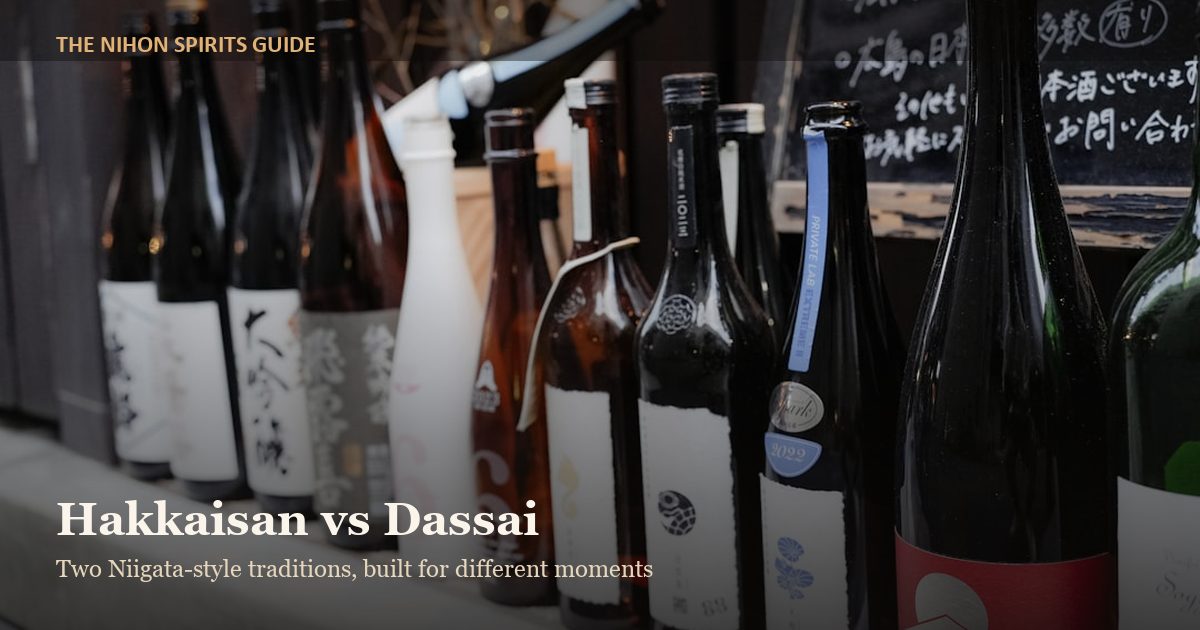
These two aren’t really competing for the same glass. Hakkaisan Tokubetsu Junmai ($28, Palate Project) is a clean, dry, food-pairing sake built to sit next to dinner and work at any temperature. Read more
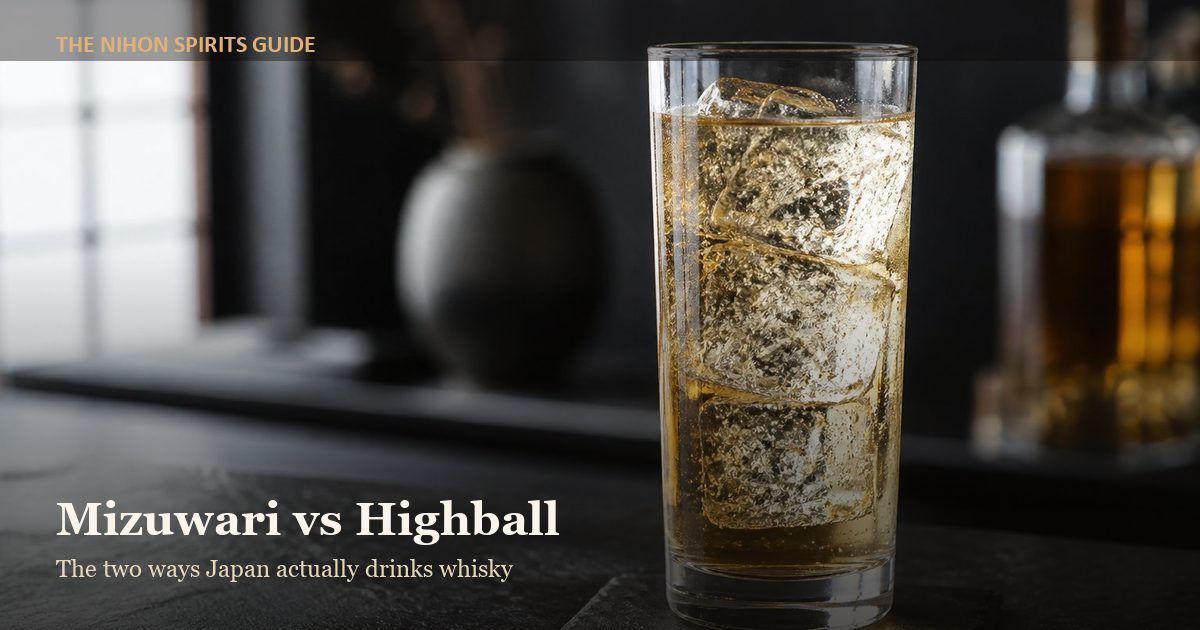
A highball mixes whisky with carbonated soda water; a mizuwari mixes it with still, uncarbonated water instead, usually at a stronger ratio of about 1 part whisky to 2 parts water rather than the highball’s 1-to-3-or-4. Read more
Junmai vs Honjozo comes down to one production choice: Junmai has no added alcohol, Honjozo has a small, tightly regulated amount added at the end of fermentation. Read more
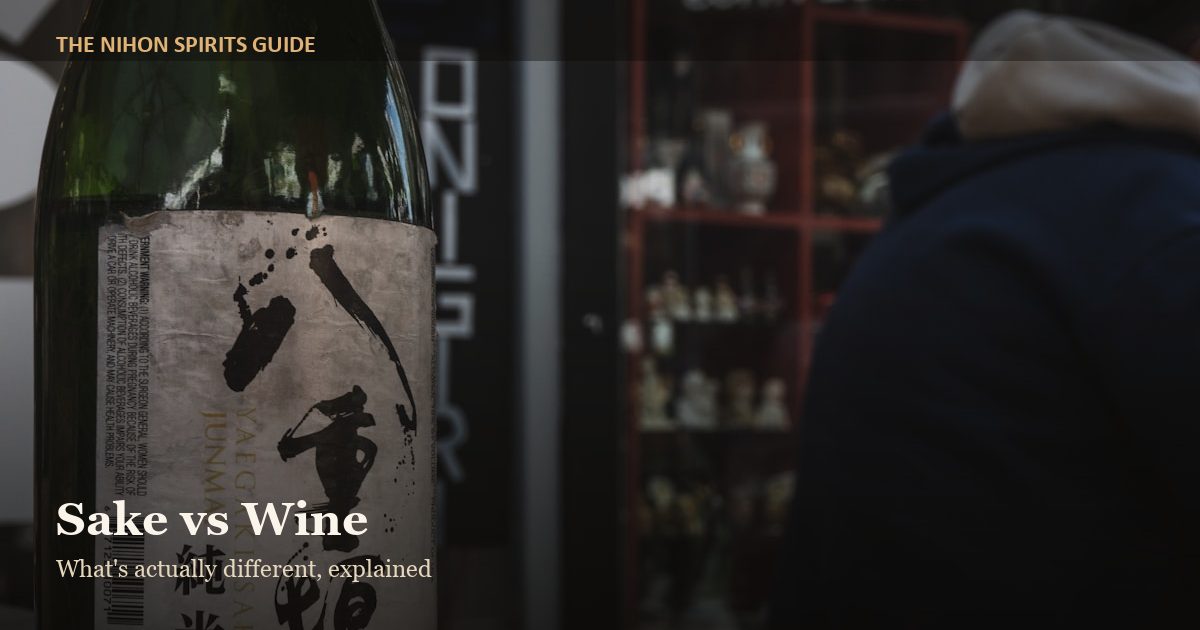
Sake and wine are both fermented, not distilled, and both land in a similar strength range, but the similarity mostly stops there. Read more
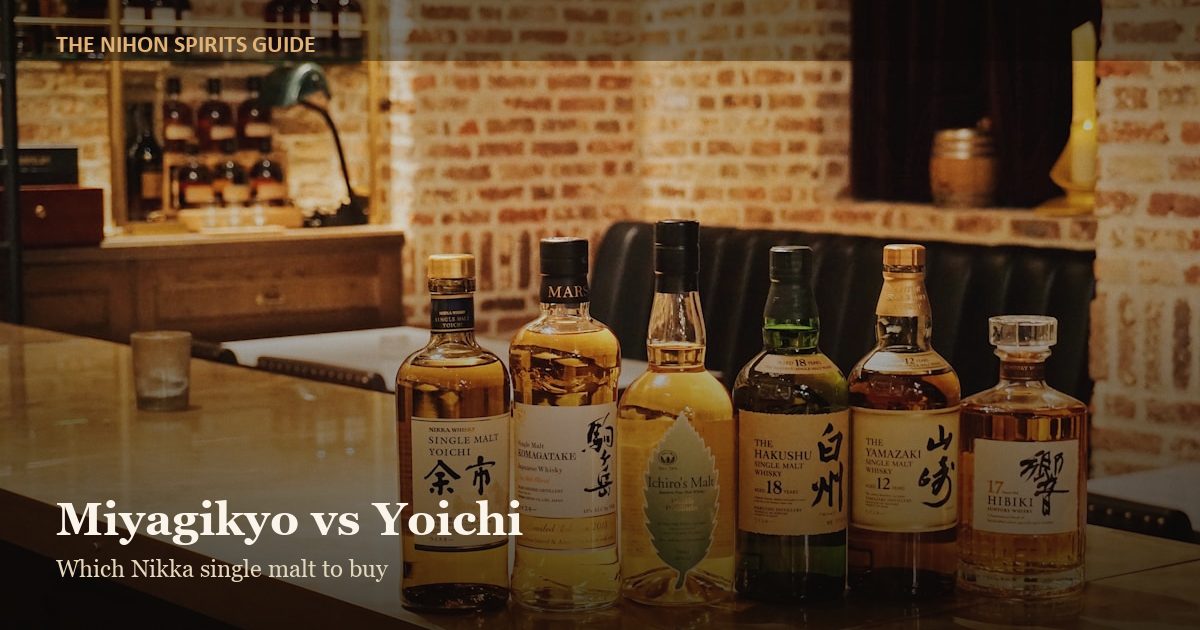
Miyagikyo and Yoichi are Nikka’s two distilleries, built specifically to produce opposite styles of single malt. Read more
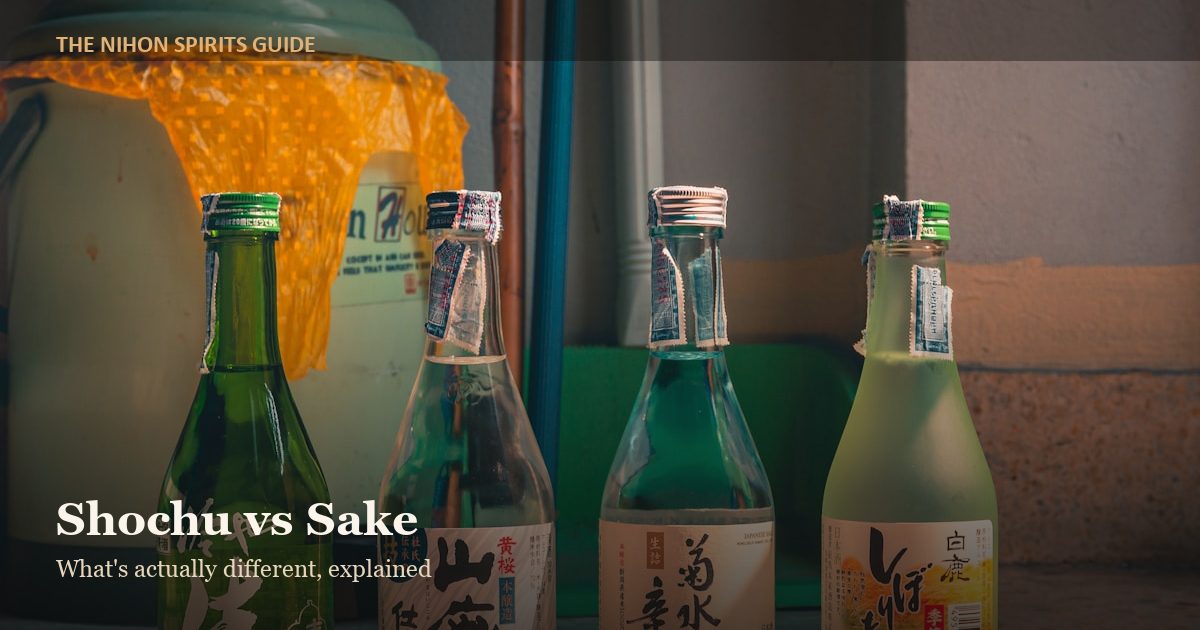
Sake is brewed, shochu is distilled, and that one difference explains almost everything else. Read more
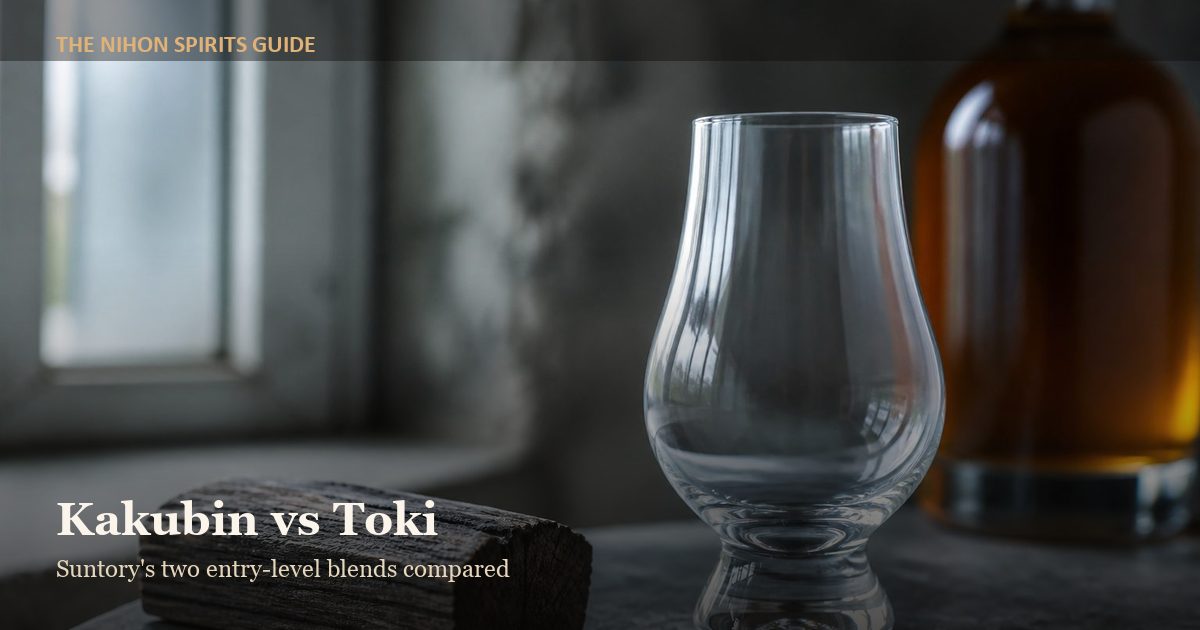
Kakubin vs Toki comes down to which market each was built for. Read more