Quick answer: no, sake doesn’t have an official expiration date, but that’s not the same as “it lasts forever.” Properly stored and unopened, most sake keeps its intended flavor for up to a year. Once you open it, plan to drink it within about a week if it’s a fragrant Ginjo or Daiginjo, and within a few weeks to a month for sturdier styles like Junmai or Honjozo — refrigerated and resealed the whole time. It won’t make you sick past those windows; it’ll just taste flatter and less like what you paid for.
Some of the retailers we link to are partners who may pay us when you buy through them. This doesn’t change which bottles we recommend. How this works.
There’s No Official Expiration Date on Sake
Unlike beer or many wines, sake bottles in the US and Japan don’t carry a legally required “best by” date the way perishable food does. The Japan Sake and Shochu Makers Association — the industry body that represents Japan’s sake brewers — states this directly: sake has no official expiry date, and its flavor simply keeps changing over time rather than “going bad” on a fixed schedule. That’s a real difference from wine, where a cork failing or oxidation running unchecked can turn a bottle into something closer to vinegar within days. Sake degrades more gradually, and unlike wine, it doesn’t improve with age — there’s no “let it breathe” or “cellar it for a decade” upside to waiting.
How Long an Unopened Bottle Lasts
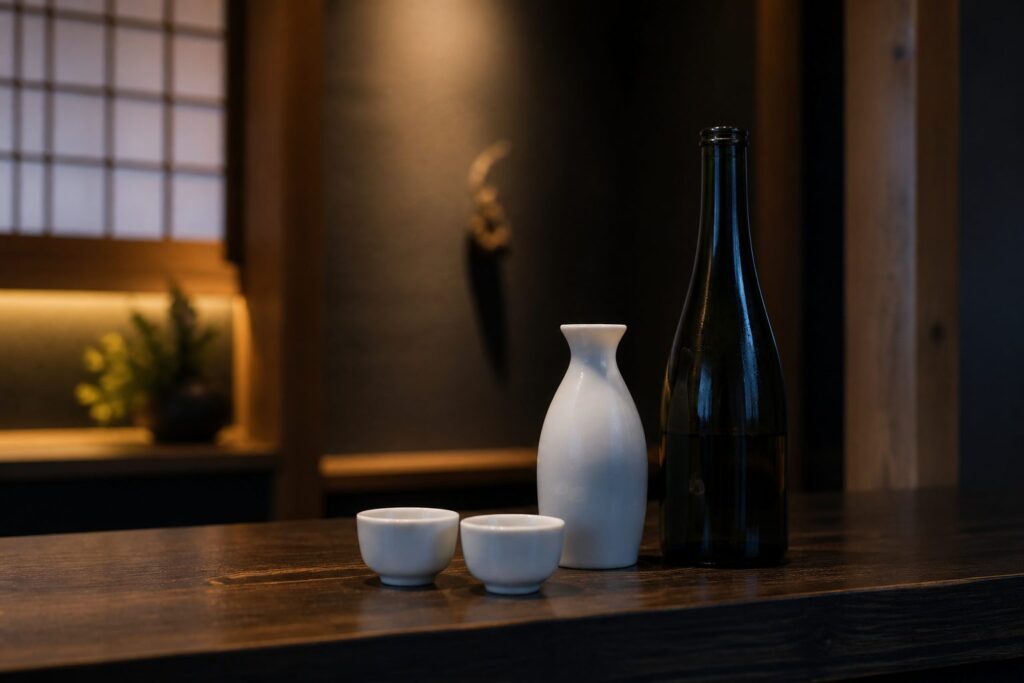
Two things drive how fast sake changes before you ever open it: light and temperature. UV light degrades the amino acids and vitamins in sake, which is why most bottles are tinted dark brown or green rather than clear — the coloring blocks light from accelerating that process. Fluctuating temperature does something similar, speeding up the chemical reactions that shift a sake’s color and flavor over time. Keep a bottle in a genuinely dark, genuinely cool spot — a cabinet away from a window, not a kitchen counter that gets direct sun and stove heat — and most sake holds its intended character for up to a year.
One detail that surprises people coming from wine: sake bottles aren’t corked, so unlike wine, humidity doesn’t affect the liquid inside, and there’s no need to lay bottles on their side to keep a cork moist. Store sake upright. If you have the fridge space, refrigeration is the safest default for anything you plan to drink within the next few months, and it’s close to mandatory for one style in particular — see namazake below.
How Long Sake Lasts After You Open It
This is where the “it depends on the type” answer actually matters, because the honest range is anywhere from a few days to about a month, and the sake style you’re holding determines which end of that range applies.
| Sake type | Once opened, refrigerated | Why |
|---|---|---|
| Ginjo / Daiginjo (including Junmai Ginjo, Junmai Daiginjo) | About a week | The fruity, floral aromatics that define this grade are the first thing to fade once air gets in |
| Namazake (unpasteurized) | A few days, kept below 5°C / 41°F | Bottled without heat-treatment, so the enzymes that would normally be deactivated are still active — it changes fastest of any style |
| Nigori (cloudy, unfiltered) | About a week, same as Ginjo/Daiginjo unless also labeled namazake | Often bottled at the same premium grade as a clear Ginjo or Daiginjo — check the label for “nama” separately |
| Junmai / Honjozo (standard, pasteurized, table-grade) | Two to four weeks, up to about a month | Less aromatic and more heavily processed, so it holds up closer to how a fortified wine would |
Our sake grades explained guide covers what these labels actually mean if you’re not sure which one is in your fridge. If the bottle doesn’t say “nama” or “namazake” anywhere on the label, it’s pasteurized, which buys you meaningfully more time than the namazake row above.
How to Tell If Sake Has Gone Bad
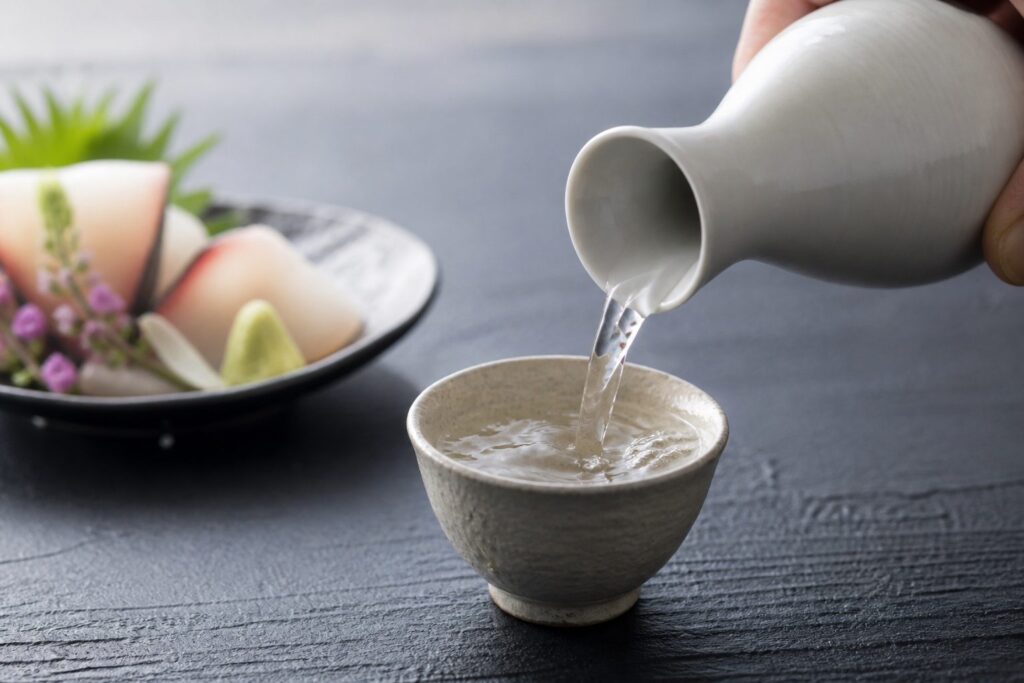
Sake that’s past its best generally isn’t dangerous to drink — it’s just not going to taste like what you bought. Watch for three things. Color is the easiest to spot: sake naturally ambers slightly with age, but a bottle that’s turned distinctly brown or yellow-gold, well beyond how it looked when you bought it, has oxidized past its intended profile. Smell comes next — fresh sake shouldn’t be sharp or sour, and if it reminds you more of sherry, soy sauce, or vinegar than the fruity or clean profile it started with, oxidation has taken over. The most common sign, especially with Ginjo and Daiginjo, is simpler than either: the floral, fruity lift that justified the price is just gone, even when nothing smells actively off.
None of these signs mean the sake is unsafe the way spoiled milk or moldy food would be — sake’s alcohol content and brewing process make it inhospitable to the pathogens that cause food poisoning. It just won’t deliver the experience the brewery intended, which for a $35–$100 premium bottle is reason enough to not let it sit.
Storage Tips to Make It Last Longer
Refrigerate anything you’ve opened — cold slows the chemical reactions that change flavor, and while that matters more for aromatic Ginjo and Daiginjo than for standard Junmai, it never hurts either style. Reseal the bottle airtight each time; the original cap works fine for most, as long as it’s pushed on fully. For anything still sealed, dark and cool beats a sunny counter, and store it standing upright — no cork means no humidity concern, but light and heat still matter. And don’t buy more premium sake than you’ll actually finish in a week or two, unless it’s specifically a Junmai or Honjozo that holds up longer: a smaller bottle you finish fresh beats a large one that sits half-full for a month.
For the traditional way to serve what you’ve got — including how tokkuri and ochoko sets are meant to be used — our guide to sake sets for serving at home covers the basics, and our best sake cups guide covers cup options if you’re building out a home setup.
Looking for a bottle to try? Browse sake at Palate Project →
FAQ
Can I drink sake that’s ten years old?
If it’s unopened and was stored somewhere dark and reasonably cool, it’s very likely still safe to drink, though the flavor will have shifted substantially from what the brewery intended — expect a darker color and a heavier, more oxidized profile. It won’t be dangerous, but it also won’t taste like a fresh bottle of the same sake. Specialty aged sake (koshu) is deliberately made to be cellared this way; a standard bottle wasn’t designed for it.
Do I need to refrigerate an unopened bottle?
Not strictly, as long as it’s somewhere dark and consistently cool. Refrigeration is the safer default if you have the space, and it’s close to required for namazake (unpasteurized) sake specifically, which should be kept below 5°C / 41°F even before opening.
Does cooking sake have a different shelf life?
Yes — cooking sake typically has salt or other additives that make it undrinkable but also more shelf-stable, and it’s meant to be stored differently from drinking sake. This guide covers sake meant for drinking; check your specific bottle’s label if you’re unsure which you have.
How can I tell if sake has actually gone bad versus just aged?
A sherry-like or vinegary smell, a noticeably darker color than when you bought it, and a flat aroma that’s lost its original character are the signs to watch for. None of these make sake unsafe to drink — they just mean it’s past the flavor window the brewery intended.
Final Thoughts
The short version: sake doesn’t expire the way milk does, but it does change, and the type in your glass determines how much time you actually have. Aromatic Ginjo and Daiginjo — including the bottles in our Dassai 23 vs Dassai 39 comparison and our sake for beginners guide — reward drinking within about a week of opening. Sturdier Junmai and Honjozo styles give you closer to a month. Either way, refrigerate what you’ve opened, keep what you haven’t away from light, and don’t treat a bottle of sake like a wine you’re cellaring for later.
Curious about a sake style that skips one of the two usual pasteurizations entirely? See our hiyaoroshi guide for how that single-pasteurization process works and which bottles are in stock this fall.
Keep Reading
- Opened a bottle and want something to eat with it? See the best otsumami snacks for sake.
- Prefer a cloudy style? Read the best nigori sake.